


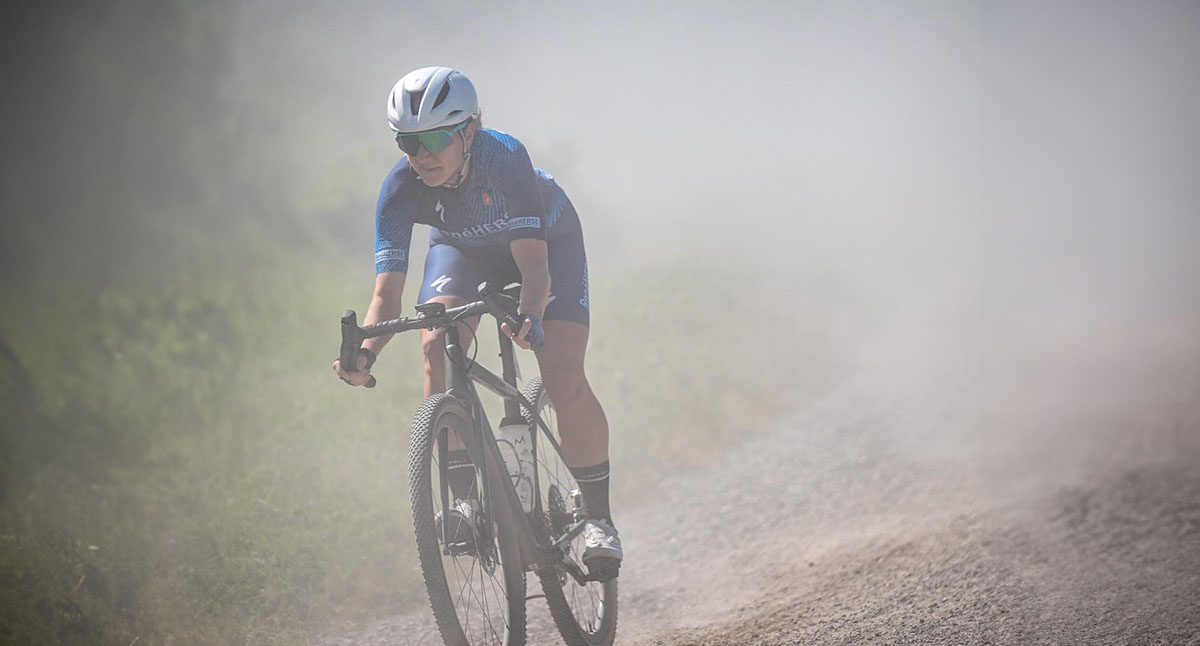
Unbound Stories: Jenna Rinehart
This week we celebrate 20 years of Unbound, the great gravel race across the Flint Hills of Kansas. In the second part of our series, we talk to Jenna Rinehart. Currently leading the ‘Wild Card’ category of the Lifetime Grand Prix, Jenna balances training and racing with her full-time job.
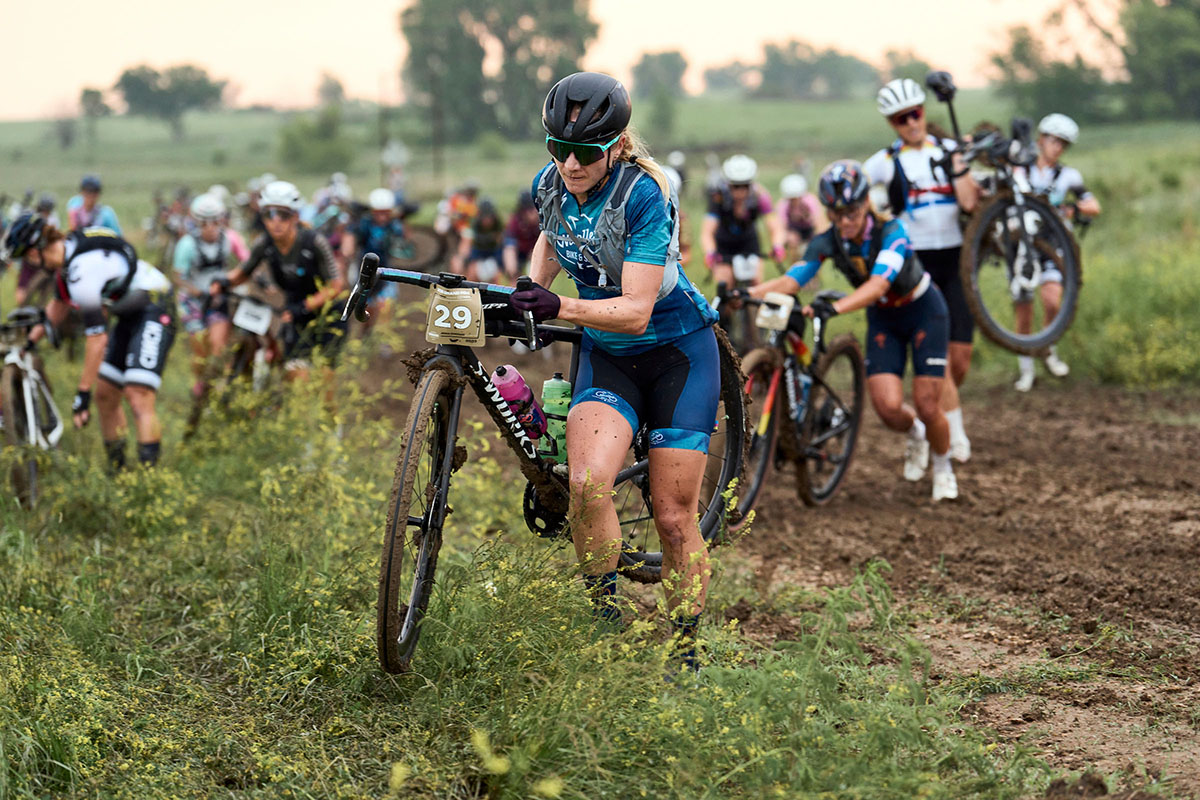
Jan: Gravel riding has really taken off in recent years. When I talk to dyed-in-the-wool roadies, they often wonder about the appeal of gravel racing. Why would you trade the delicious feel and speed of smooth pavement for a bumpy gravel road? And why Unbound, with its rough gravel and tire-slicing flintstones—plus (often) mud? What’s the appeal?
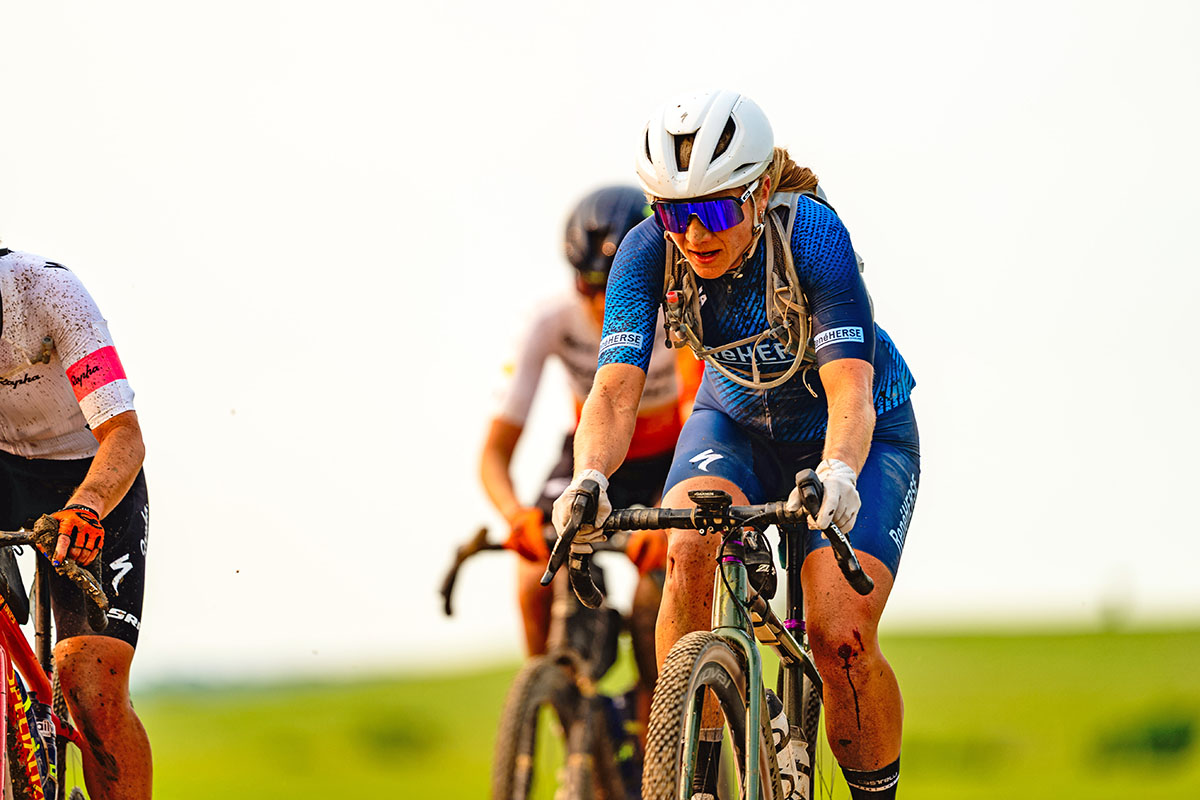
Jenna: I love to ride and race gravel because it feels more like an adventure. I like exploring new roads and not knowing what the surface might be like. It’s unpredictable and requires not just fitness, but also bike handling skills. Having to pick my lines on a gravel road gives me something else to focus on. I enjoy figuring out which line might be faster. I think Unbound’s appeal is that it’s so hard, and just finishing, regardless of the result, is a satisfying accomplishment. It’s a massive challenge that you get to do with many other riders. With all the elements like heat, mud, and mechanical issues thrown your way, it feels like more than just a bike race against others. It’s a personal challenge to see what you can do.
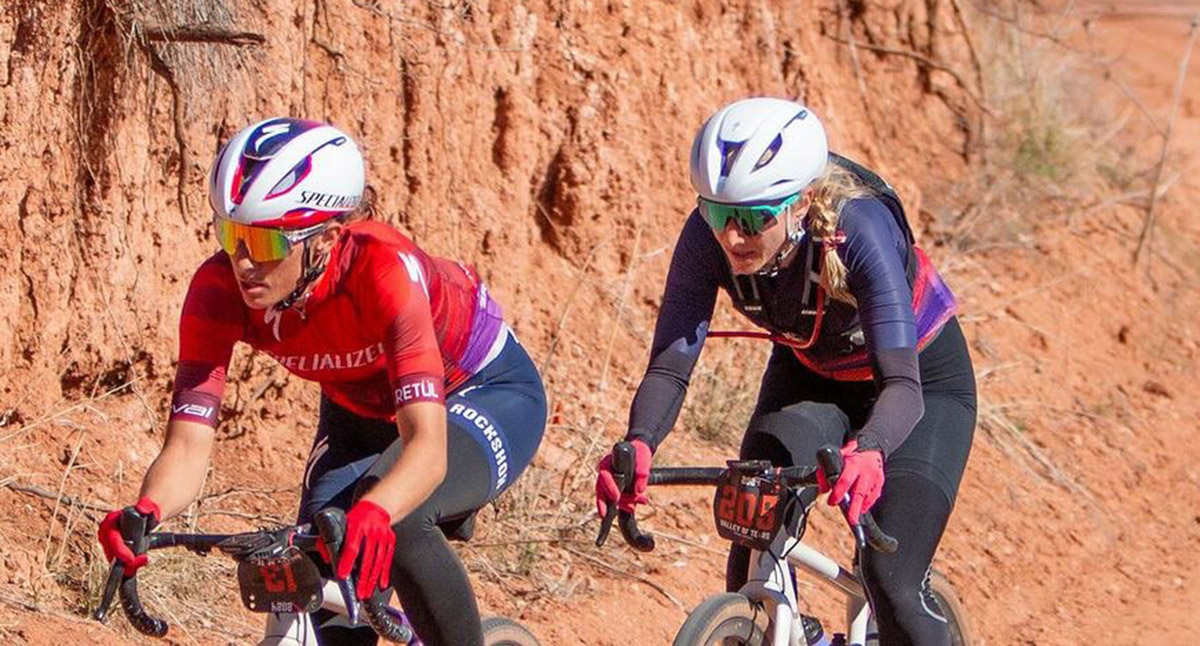
Jan: Gravel racing is among the most competitive disciplines in women’s cycling. You’re running a bike shop—Nicollet Bike and Ski in Mankato, MN—and you’re training and racing on the side as a privateer. How do you stay competitive with full-time professional racers?
Jenna: It’s definitely been a balancing act and not something that happened overnight. I’ve owned the bike shop with my husband for almost 16 years. It took a good 10-12 years to build up the shop to a place where I don’t need to be there every day. For many years, I was on the sales floor and did our books after hours every day of the week. Over time we built a strong support staff. That has allowed me to step away a bit. I’ve taken over more behind-the-scenes tasks that I can do between my training and traveling. That said, I do really like the balance of not just being a bike racer. It’s good for my mind to have other things to think about after a race weekend or tough workout.
Jan: You are entering the headline event, the 200-mile race. That’s longer than the longest Tour de France stage—and those are on pavement. You’ll be racing all-out on rough gravel for 10+ hours. What is that like?
Jenna: It’s always a bit daunting to go into Unbound and think about racing for 10+ hours against the world’s best gravel racers. It’s really important to get into the right headspace. Having three years of experience with this race definitely helps. I’ve learned a lot each year, so I hope to take all of those lessons with me. I know there will be high points and low points, and knowing how to work through those low points is key. So much can happen in 200 miles, you have to be prepared for an imperfect day. But ultimately, when I stand on that start line, I’m just grateful for the opportunity to be there and challenge myself against the best riders!
Jan: The 2026 course was revealed just a few days ago. What’s your take on this year’s route?
Jenna: I’m very excited to take on a new route! I think changing the route every couple of years keeps it fresh and exciting. This year we are going in a few different directions. We’ve used a few sections of the course in the past, but much of it is new to me. I plan to arrive a couple of days early and hopefully check out a few of the course’s new key sections. I’m expecting some mud and hopefully some fun MMRs (minimally maintained roads).
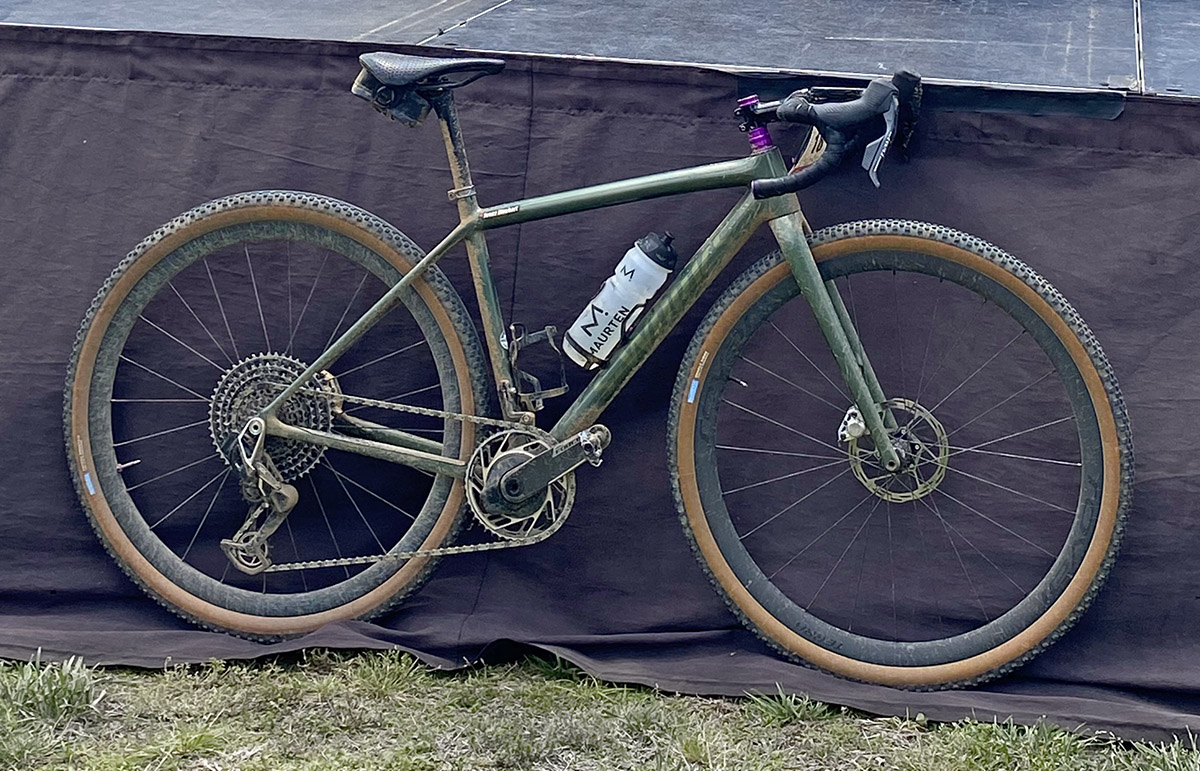
Jan: Tell us about your equipment. Which bike are you riding?
Jenna: I will be riding the Specialized Crux with SRAM XPLR 13-speed. I haven’t decided on the chainring yet, it will be either a 44t or 46t. The Crux has been my go-to gravel bike for many years. It’s very light and responsive and has good mud clearance. I’m also running the new Roval Terra Aero CLX wheels, which should provide a nice advantage over 200 miles.
Jan: Which tires will you run, and why?
Jenna: Tires are always the biggest question in gravel racing. I’m lucky to have some great options from Rene Herse to choose from. I will bring along a few options for pre-riding, but I think I’ve mainly narrowed it down to two options. My first option will be to ride the 48 mm Poteau Mountain semi-slicks in the Endurance casing. I’m just loving the 48 mm width, because it rides smoother over rough surfaces—and it feels fast. I think the smoothness of the 48 will make a difference in comfort over the 200 miles. I’m also considering running the 44 mm Corkscrew Climb semi-slicks, also in the Endurance casing. If it is really muddy, and I need more mud clearance, then I will use the 44 mm width. The semi-slick tread pattern provides good cornering traction, while maintaining high speed on the open road sections.
Jan: May we ask about your tire pressure?
Jenna: Good question! This is something I’ve been experimenting with lately. For training here in Minnesota, I’ve been running the Poteau Mountain in the Extralight casing at 24 psi in the front and 25 psi in the rear, and that feels good. For Unbound I will run the endurance casing. I plan to try some pre-riding at lower pressures between 21-24 psi, since the sidewalls are a little stiffer. I’ll let you know how it goes, and what I decide!
Jan: What is your advice for other racers, especially women and first-timers? How do you make Unbound a success?
Jenna: My most important advice is to get into the right mental headspace. It’s a long and tough day, and most likely not everything will be perfect. Be prepared for a low point during the day, recognize when you are going through it, and know how to work through it. You can definitely come back from that and have a good day. One thing that helps me when I’m suffering is reminding myself that others feel the same way. It’s not just you, we are all out there suffering together.
Start your planning and preparation well in advance. Practice your bike setup and nutrition. Nutrition can be very individualized, and you must train your gut to take in large amounts of carbs over a long period of time. It gets really hard to eat 8+ hours in, when the temps are heating up. I’ve found I need much more plain water later in the day, to flush all the carbs through. Also practice getting comfortable with plugging tires, using a CO2 cartridge or a frame pump, and inserting a tube. Break down the day, and figure out your pacing for each feedzone. Estimate how long it will take to get there, what you will need to carry, and what supplies you will restock. But most importantly, remember to have some fun, take in the experience, and enjoy the remote beauty out there!