

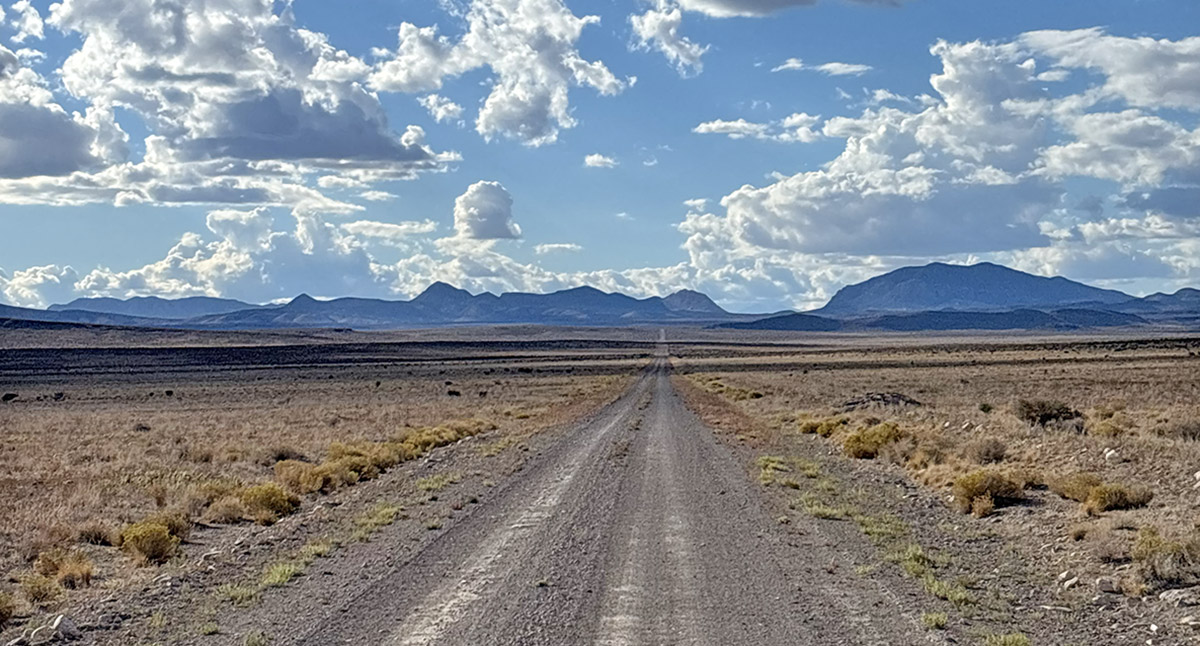
Adrien Liechti: Salida-to-the-Sea
Editor’s Note: Adrien Liechti has been a fixture of the bikepacking world for many years. Winner of the inaugural Hellenic Mountain Race in 2023, he’s been a consistent top finisher in the biggest races: The Rhino Run, Atlas Mountain Race, Silk Road Mountain Race, The Transcontinental… What I like about Adrien is that, despite his speed, he rides to discover new places and learn about himself. Here is the story of his latest race and adventure.
In 2024, a French bikepacking friend of mine took part in Salida-to-the-Sea and spoke very highly of it: an old-school event, long, remote, with varied landscapes, epic places, and desert crossings. More an adventure by bike than just a race.
That really sparked my interest, and eventually, at the beginning of last summer, I signed up.
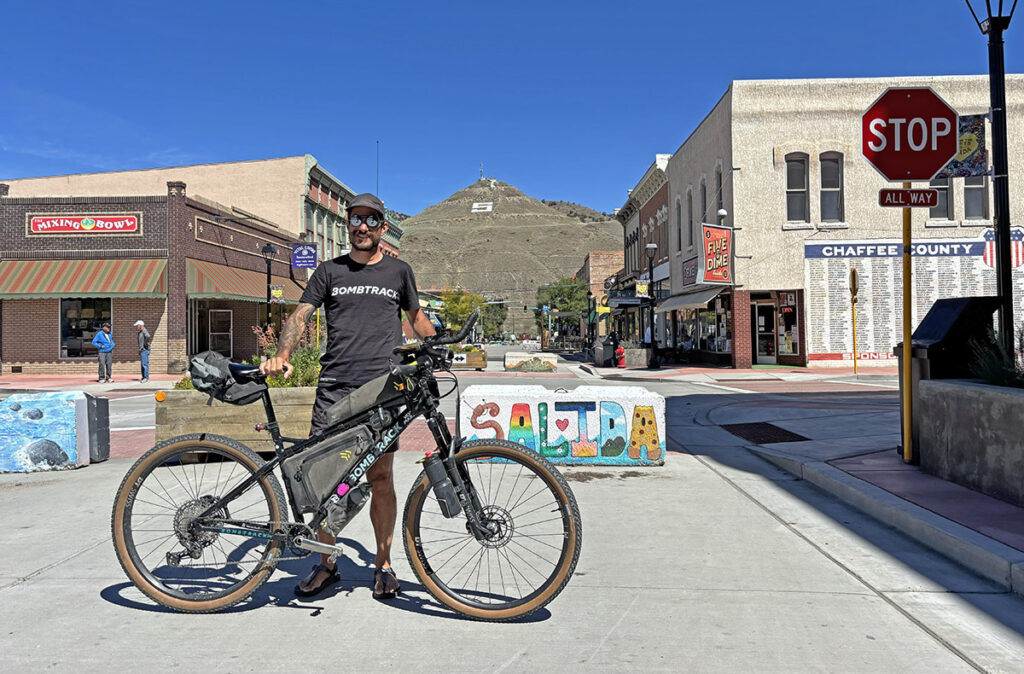
After arriving in the U.S., I rode from Denver to Salida, where I met Brian, the creator of the route. A true bikepacking enthusiast, he still rides his own event every year. On July 16th, we set off on the 2,000-mile route toward the Pacific coast. We were the only riders—a few others had initially signed up, but scratched before the start due to illness and other reasons.
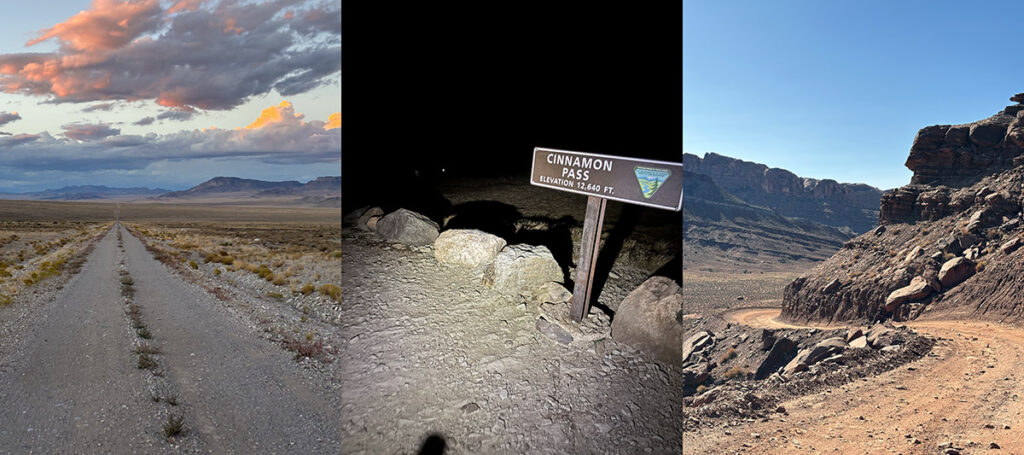
I rode solo the whole way and met only a handful of people, but each encounter was meaningful and interesting. The GPX track is flawless, you can feel the passion behind it. Crossing the first big passes (Cinnamon, Ophir, Marshall, …) was epic. And so was the rest: endless desert stretches without water, the vast forests of Oregon, the legendary canyons of Moab. At one point I was stuck in Utah mud for about 12 hours and had to bivouac right there on the trail.
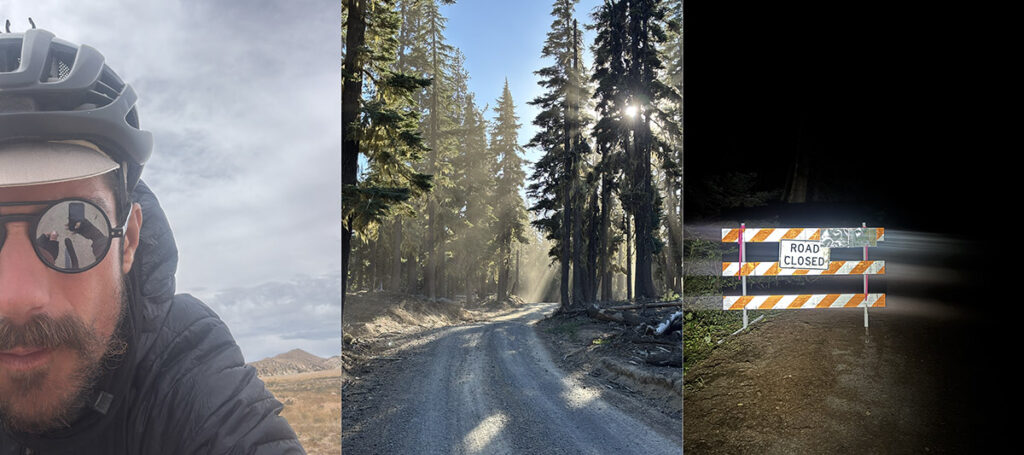
The final section was also quite something, as wildfires were raging. I had to reroute and climb an extra pass before finally reaching Port Orford and its stunning Battle Rock Beach.

I finished in 12 days, 3 hours and 6 minutes, setting a new FKT. More important than the time, what I take away from this adventure are not only great memories, but also a journey, both outward and inward, that will take me a while to fully process.
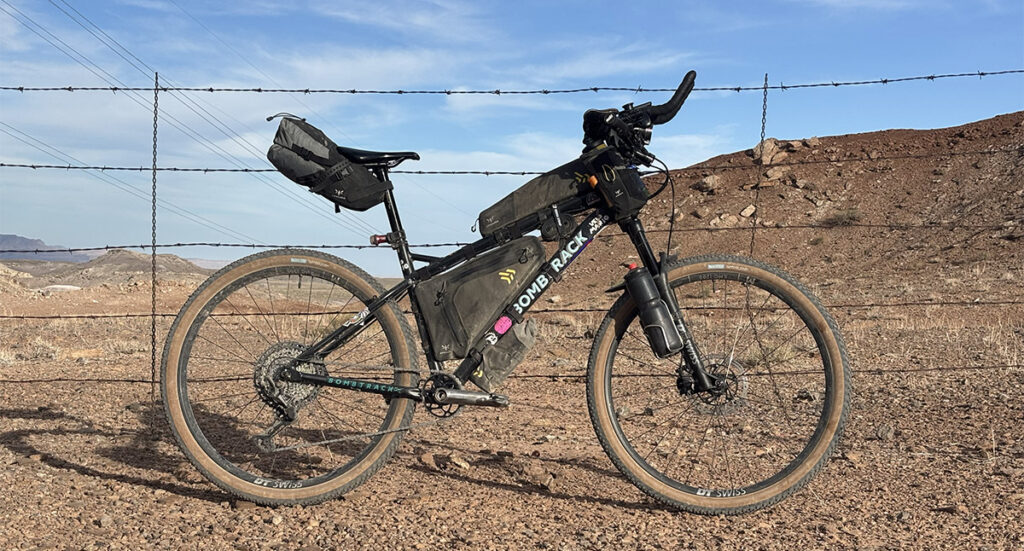
My bike was a key element in this experience, because it faded into the background, never requiring attention. A solid setup and a really good build—thanks to my local mechanics at Velomario in Berne, Switzerland—goes a long way: I had zero mechanical issues, even with the brutal peanut butter mud in Utah.
- No flats
- No pumping up tires
- No topping off sealant
- No changing brake pads or chain
- No broken spokes
- Suspension fork worked flawlessly start to finish
The only thing I did to my bike: Gave it a quick wash in a creek halfway through the race. Having reliable gear is always a plus, but knowing the mechanics and being able to fix anything on the road is even better. It gives me a worry-free ride and allows me to immerse myself in the experience.
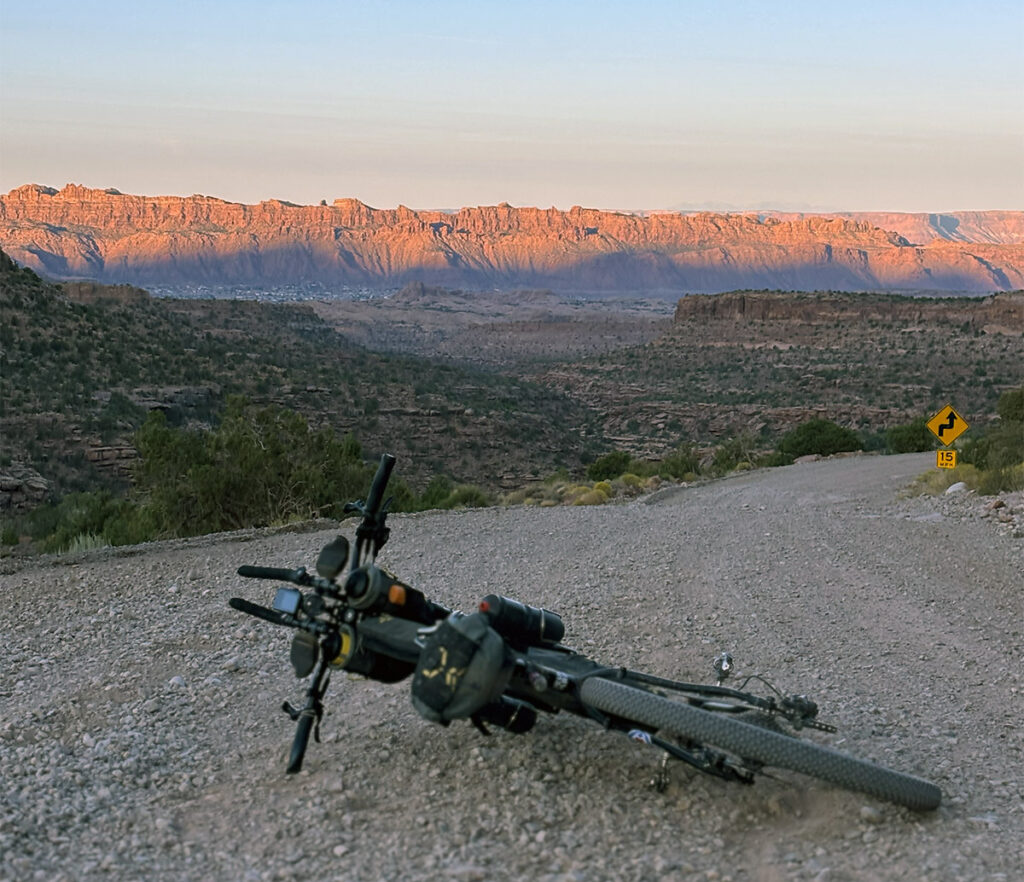
After the ride, people asked me why I was racing for so long, when I was the only participant. Plus, there were no photographers around to document what I was doing.
For me, it makes no difference. I don’t ride for a medal or for someone else’s eyes. I ride because every mile takes me deeper into myself. I ride for the freedom, the silence, the effort, the views, and the real self-supported bikepacking experience. The kind where, if something goes wrong, the only option is to hit the SOS button on my tracker.
They say: “When you stop racing against others, that’s when you’ve won.” The real win isn’t a podium. It’s the peace you find inside, when the only race that matters is your own.
Fast-forward to my plans for 2026:
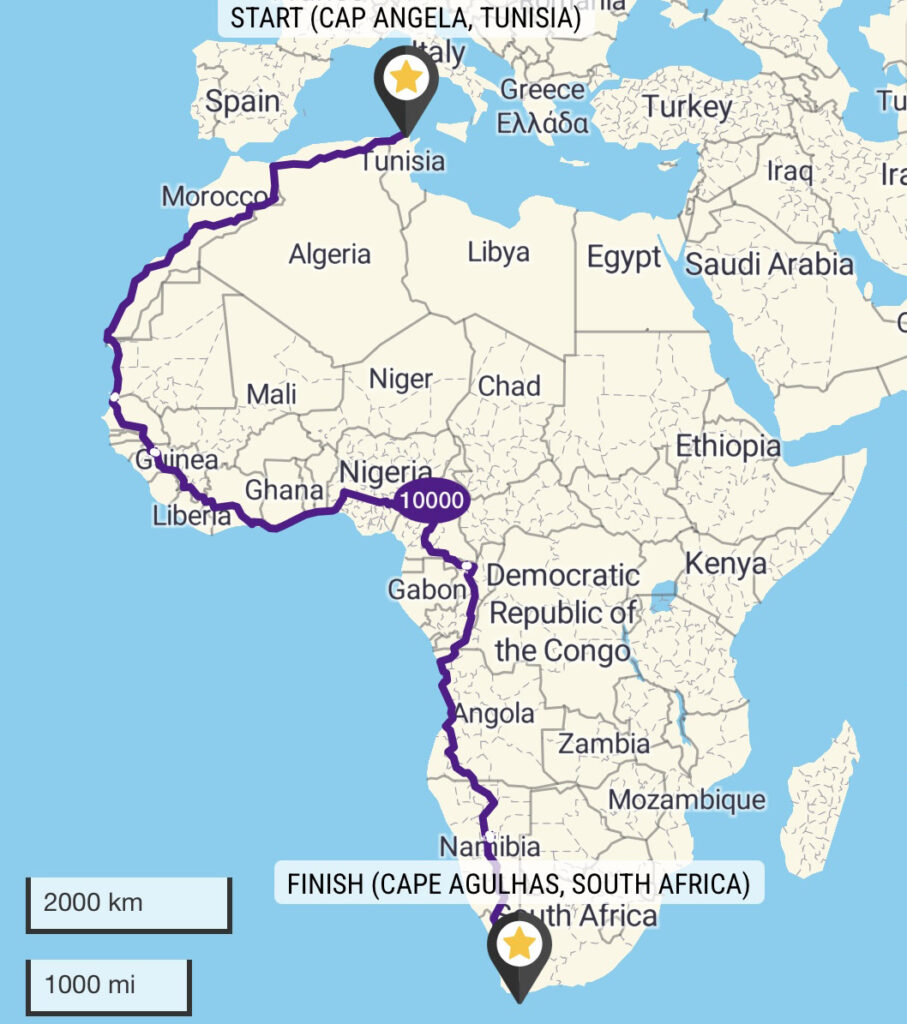
After years of dreaming and months of preparation, I’m finally ready to cycle the entire continent of Africa, from Cape Angela in Tunisia to Cape Agulhas in South Africa. It will be a self-supported journey—that’s how I prefer it. To validate the record, there won’t be any kind of transportation except my bike. Creating the route has already been a big challenge.
I will face many others: the terrain will change constantly, from deserts like the Sahara and the Namib, to smooth roads, to long muddy jungle sections in Congo, Nigeria, Cameroon, and more. I will have to deal with maintaining my pace, with possible illnesses, insects, animals, and all the border and administrative complications.
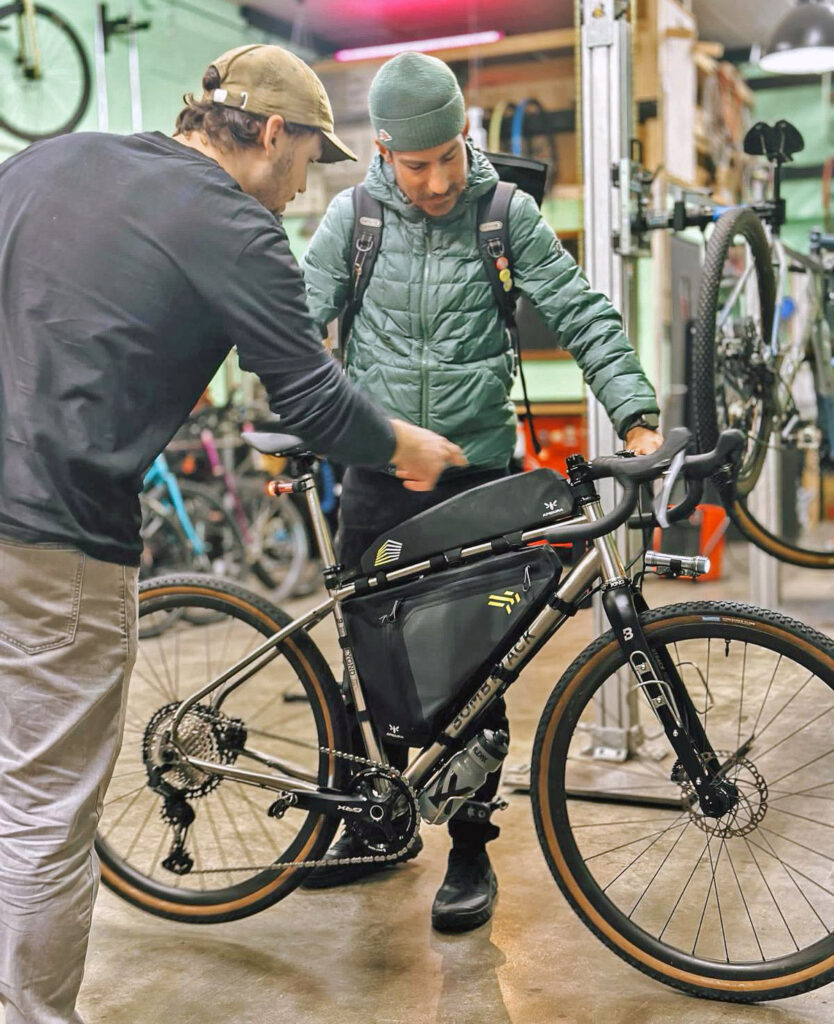
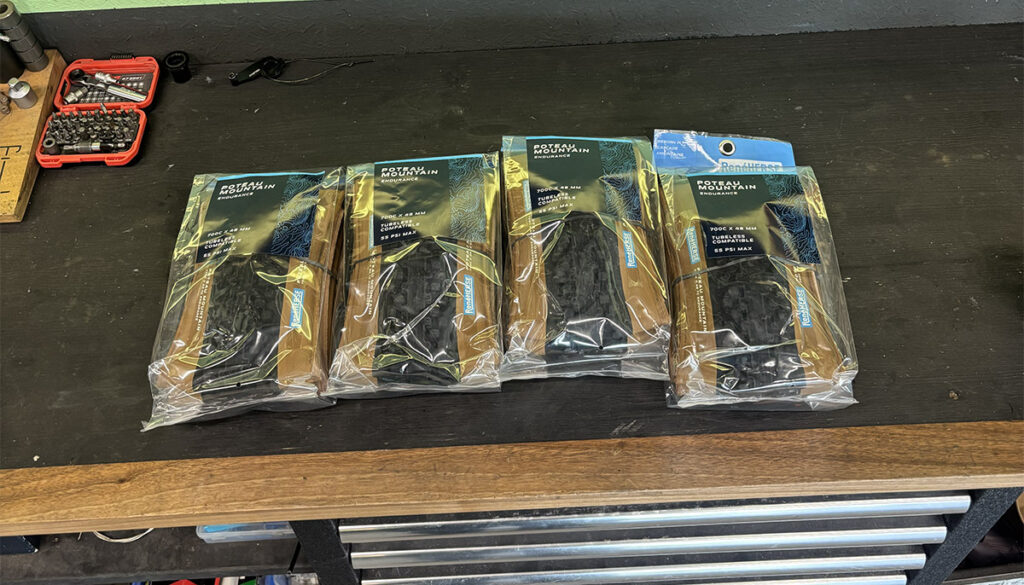
My bike setup will be a special one: a mix between a traveling and a racing setup. For tires, I’ll run the new Rene Herse 700 x 48 Poteau Mountain semi-slicks in the Endurance casing. I’m confident they’ll be perfect for this endeavor.
I have spent years on the African continent, and yet I’ve never been able to cross it entirely. In a few weeks, I will try to do just that, mixing racing and traveling over 17,000 km (11,000 miles), crossing 17 countries. I’m looking forward to meeting many people along the way; that’s the most exciting part.
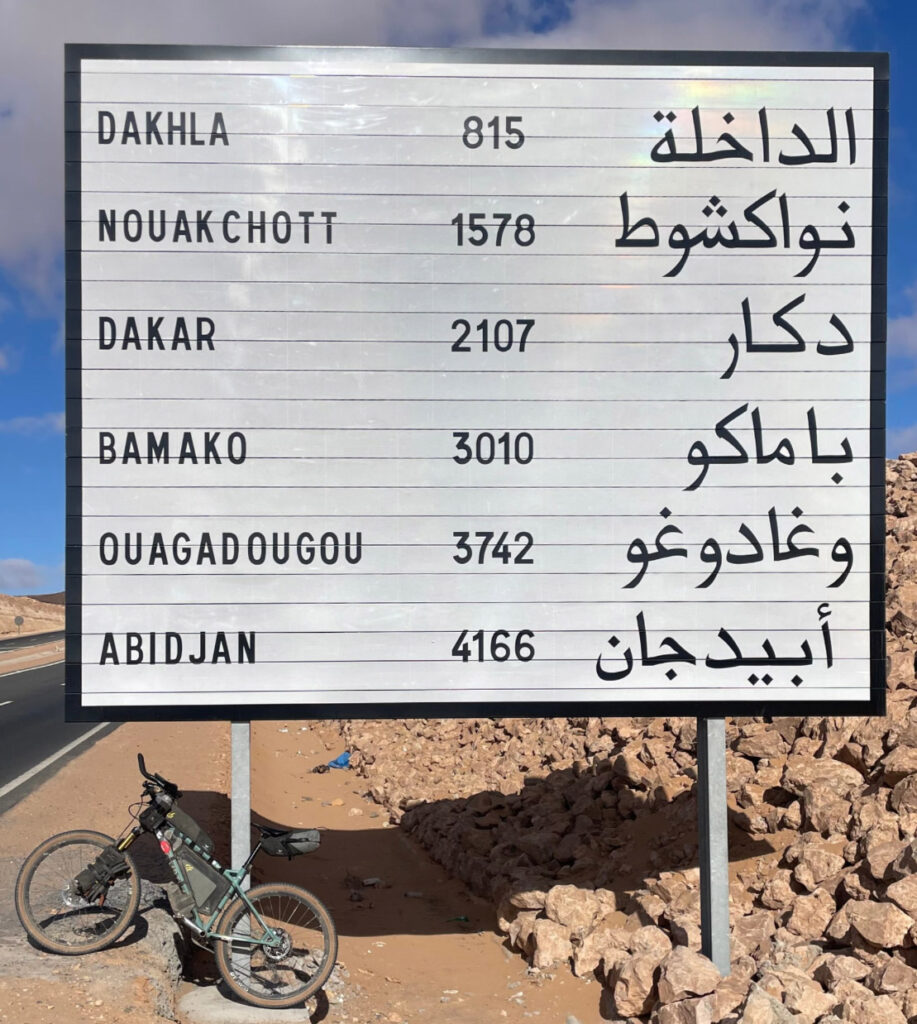
I studied old and new maps, adapted my route to the current geopolitical situation, and even had to change the Algeria section after a border closure a few weeks ago. The preparation was huge, and now I’m excited to finally start my ride.
I will set off on January 4th, at 8 a.m., from Cape Angela in Tunisia. My ride will be live-tracked and verified by the WUCA (World Ultra-Cycling Association).
If I succeed, it will be a world’s first. Check back in a few weeks for the start and a tracking link to follow my adventure.
Further Reading: