

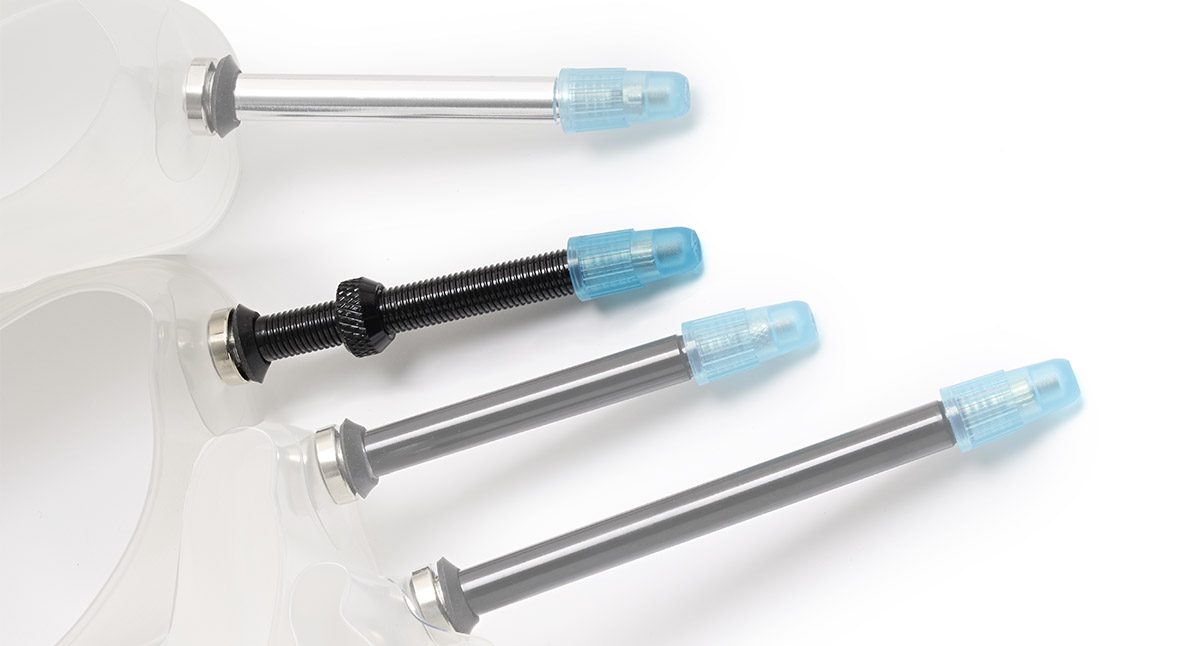
TPU Tubes with Threaded Valves
We’re now offering all our TPU tubes with threaded valves and locknuts, in addition to the models with smooth valves. This came about via a suggestion from a customer…

Here’s the story: We love feedback from our customers. Most of it comes via the Suggestions page on our website. Some customers have questions that our website doesn’t answer. We add the information to the site, since others will have the same question. That way, all our customers benefit.
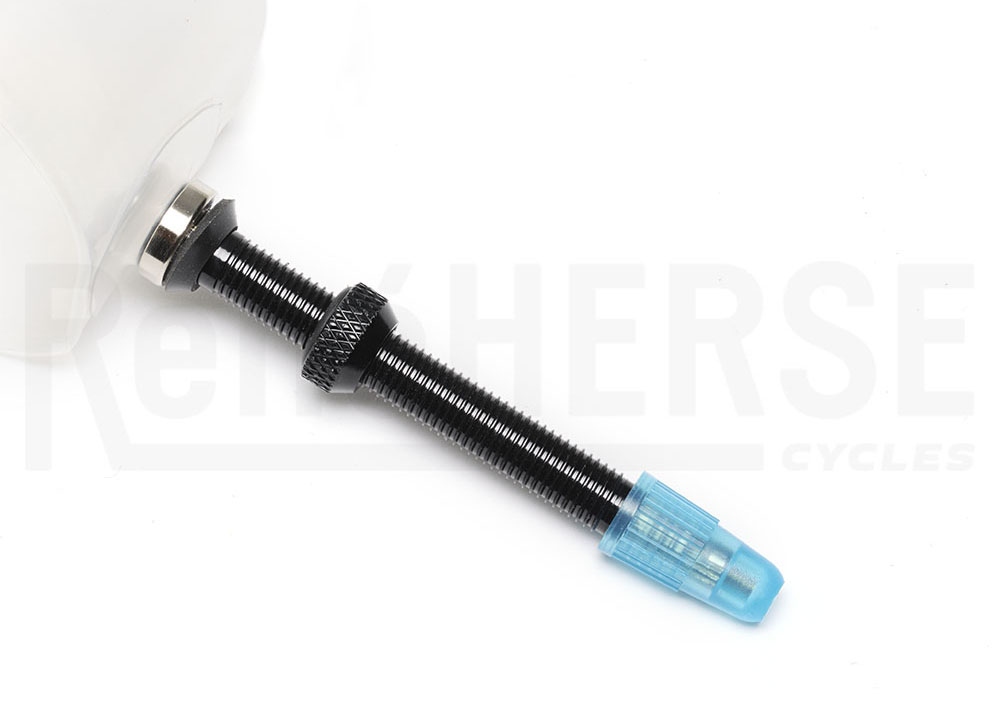
Many customers have suggestions for new products or improvements. For our TPU tubes, we prefer smooth valve stems, because they work better with pumps that have push-on heads: Threads abrade the seal, and the pump head can even get stuck on them (especially with older Silca pumps). As long as you inflate your tire with the wheel off the bike, it’s easy to push down on the tire with your thumb, so the valve doesn’t slide into the rim.
However, not all pumps have push-on heads. And there are reasons why some prefer a threaded valve. One customer wrote: “I look forward to getting my first set of TPU tubes. I will be disappointed that the stem of the tube has no locknut. The critical advantage of the nut is when a cyclist is pumping a tire away from home & shop, using a mini- or frame pump: The nut stabilizes the stem under the directional force of pumping—which can often be with tired arms, in the rain, at the end a century ride, when every bit of assistance helps. Why not help the rider?”
This was one of those suggestions that makes us think: “The customer has a point. That makes a lot of sense.” Especially if you use a pump with a screw-on hose, because there’s no advantage to the smooth valve stem. So we went ahead and implemented the suggestion. Now all our tubes also available with threaded valves, too.
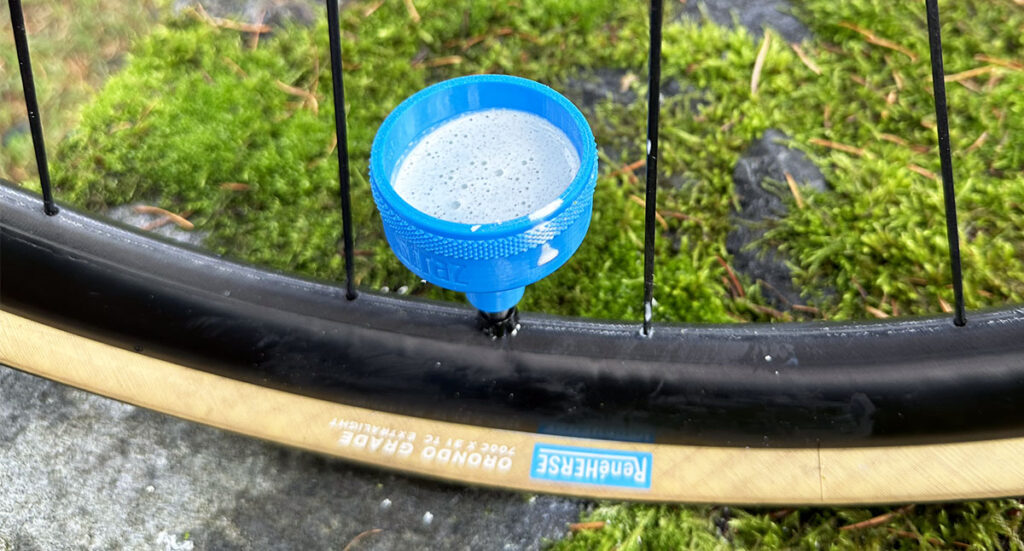
The threaded valve also makes the Straz Sealant Funnels compatible with our TPU tubes. That’s not a huge issue, since our 100 ml TPU Sealant bottles have a cap that fits right onto the valve stem. But if you’ve got the funnel, why not use it, and save money by buying the bigger 500 ml sealant bottle?
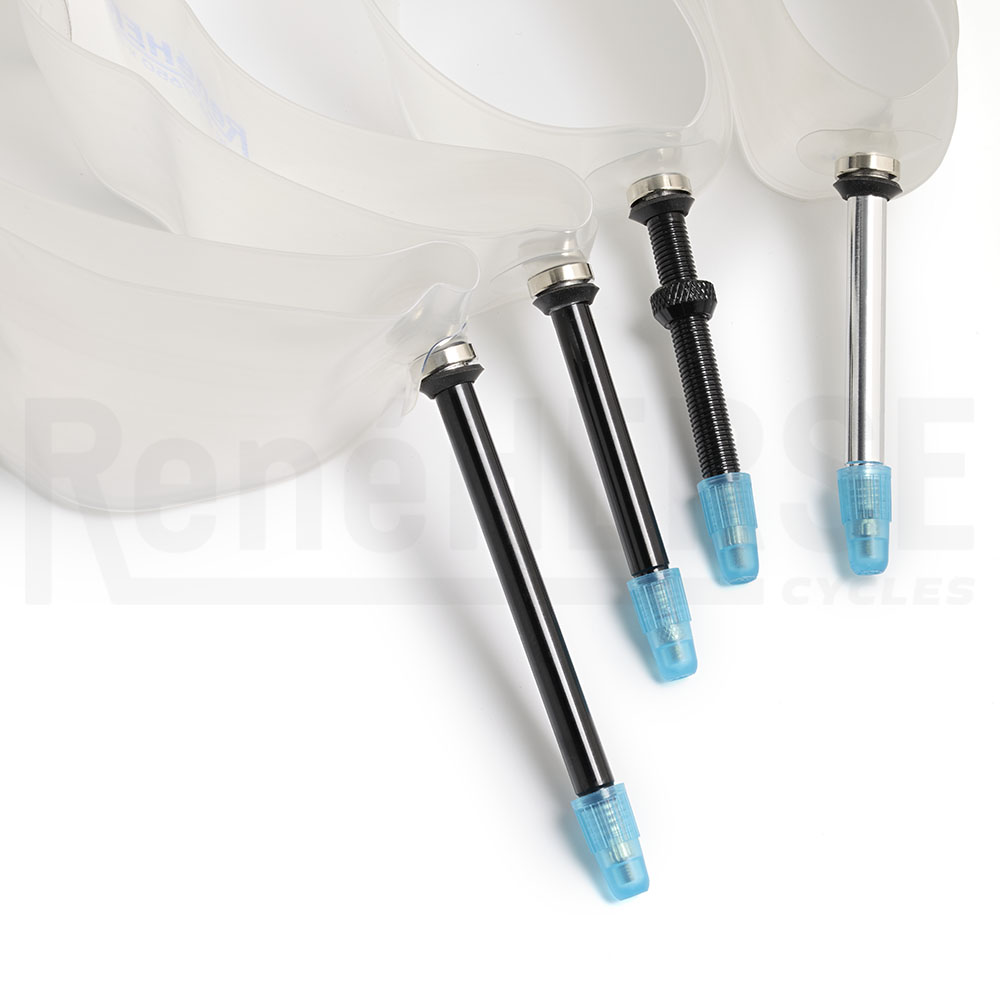
This means that our TPU tubes are now available with a choice of four valves (left to right):
- 70 mm smooth, black
- 50 mm smooth, black
- 50 mm threaded, black
- 50 mm smooth, polished
With the new threaded-valve tubes, we also got a big restock of our other TPU tubes. All models—there’s now 20 (!) of them—are in stock.
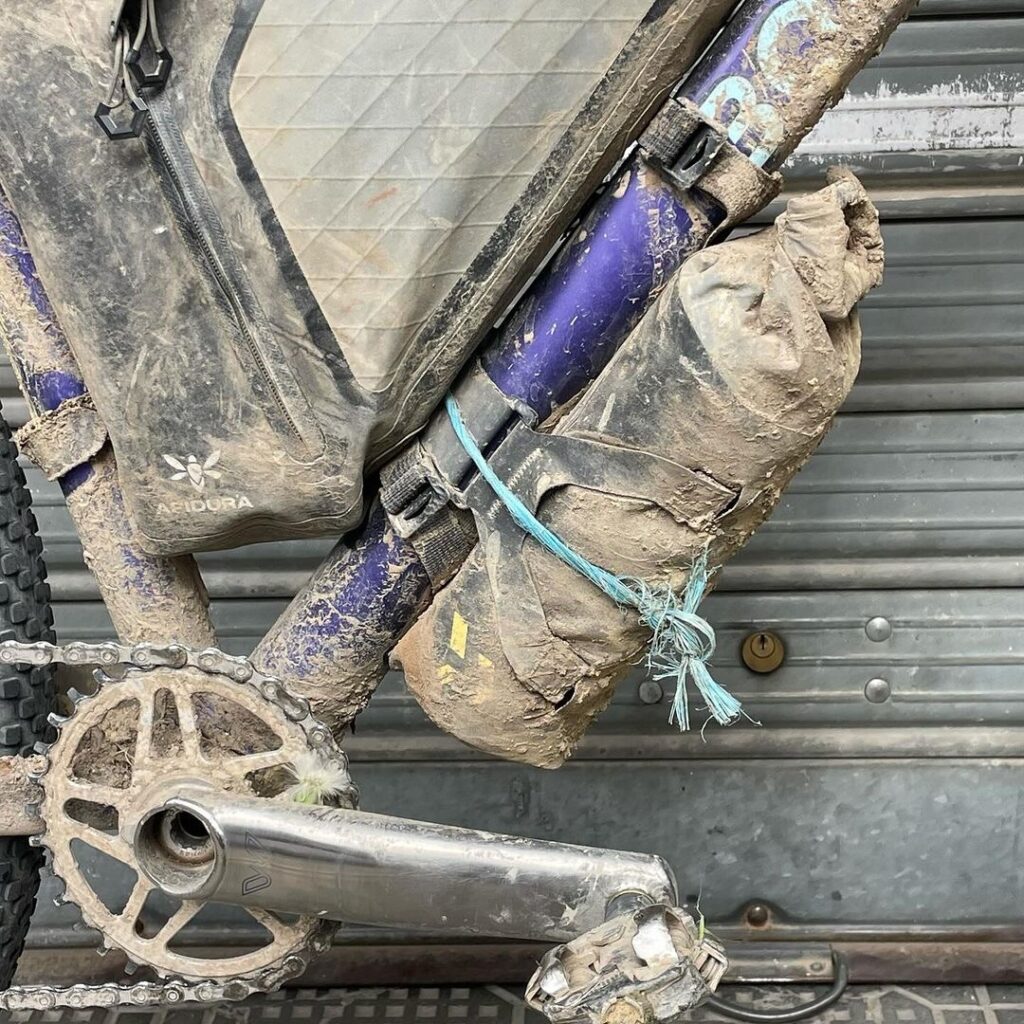
Another customer asked how fragile the tubes are when you carry them on your bike. Our luggage can suffer as much as our wheels, or more. (Above is Adrien Liechti’s tool kit at the end of the Accursed race).
The customer suggested: “Can you write about packaging a TPU tube so it won’t get damaged? For example, I carry spare tubes in tool bags under the saddle. With things squeezed into the tool bag, I’m wondering how susceptible tubes are to damage. This applies to butyl and TPU. Also, what is the lifespan of a TPU tube squeezed into a small space and living there for months (years?) with a bike that is stored in an unheated and not air-conditioned space, subjected to cold and stifling heat? Will they ‘dry out’ and rot? Knock on wood, I’ve been pretty lucky and haven’t had a flat in a while.”
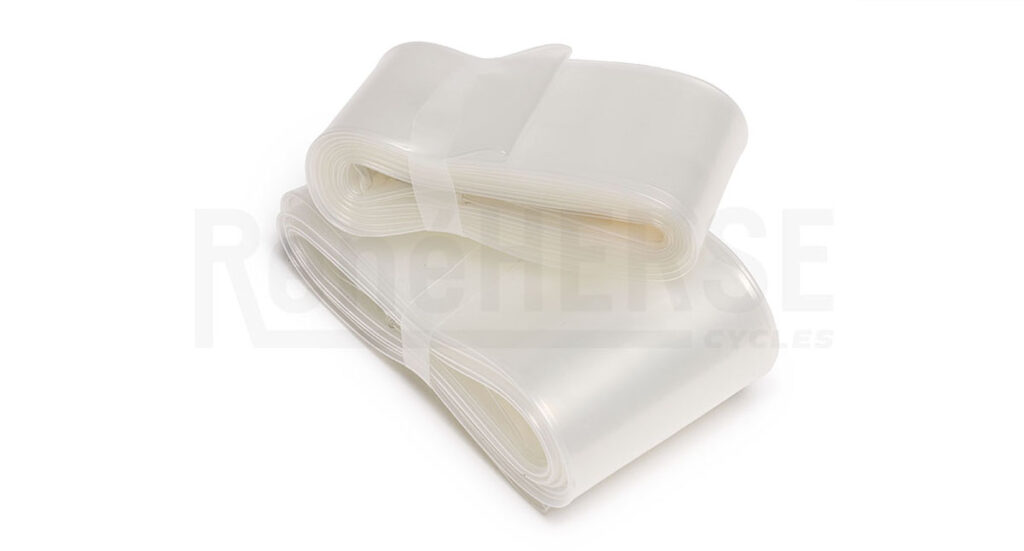
Fortunately, we can reassure everybody who’s wondered about this: TPU tubes don’t just pack incredibly small, they are also extremely durable. The one thing they don’t like much is light: They turn yellow, but still hold air. As long as the tubes are in a dark spot—whether inside a tire or in a tool bag—there isn’t much that can damage them. They are more abrasion-resistant than butyl tubes, which can chafe and develop holes. Wrapping butyl tubes in a piece of cloth or a little plastic bag helps protect them. With TPU tubes, that precaution isn’t necessary.
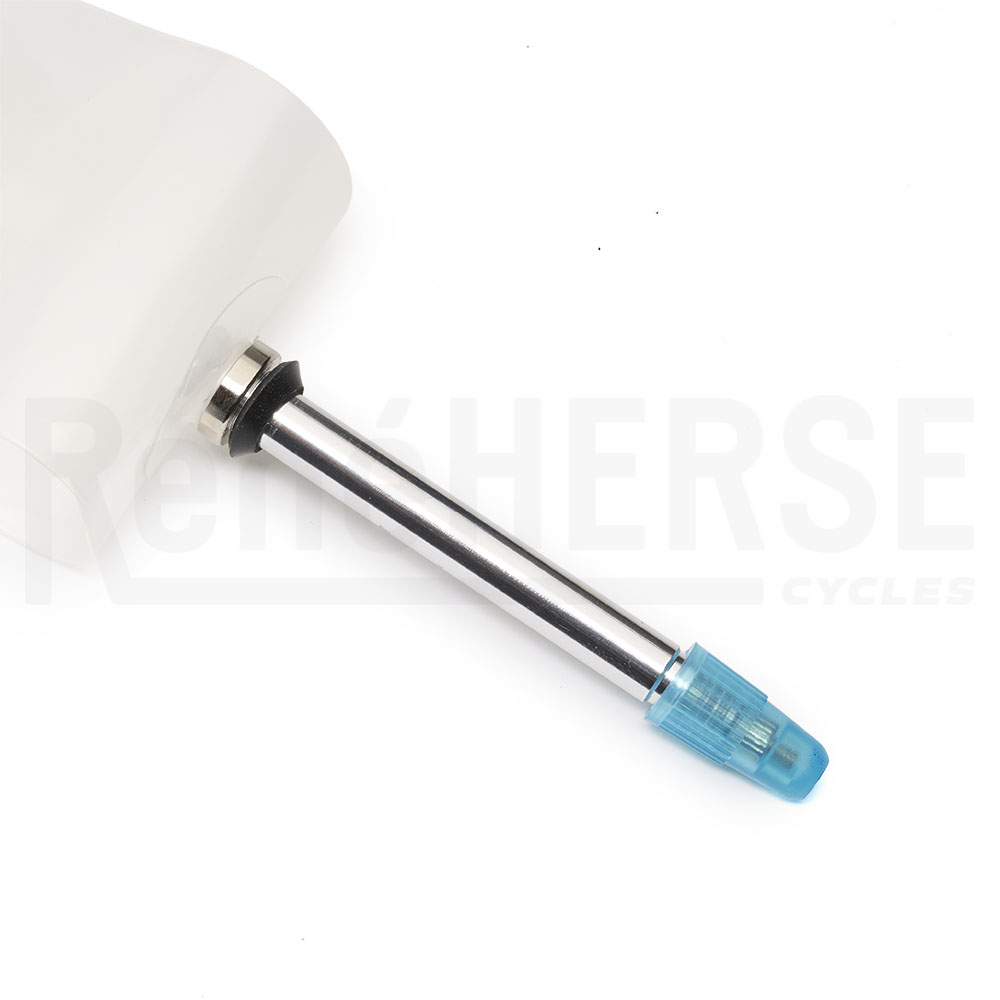
For all tubes, make sure there’s no sharp object like a screwdriver that might puncture them. That’s also why tubes should be stored with valve caps installed—to protect them from the pointy valve ends. Once on the wheel, the valve cap is mostly optional, at least when you ride on the road, in good weather. In dusty and muddy conditions, the cap keeps the valve clean. (In a pinch, as long as your tire isn’t completely flat, you can let out some air and clean the valve that way.) There’s another reason to use the valve cap: It’s a nice finishing touch for your bike.
More Information:
- TPU tubes in the Rene Herse program.
- Video: How to install TPU tubes