


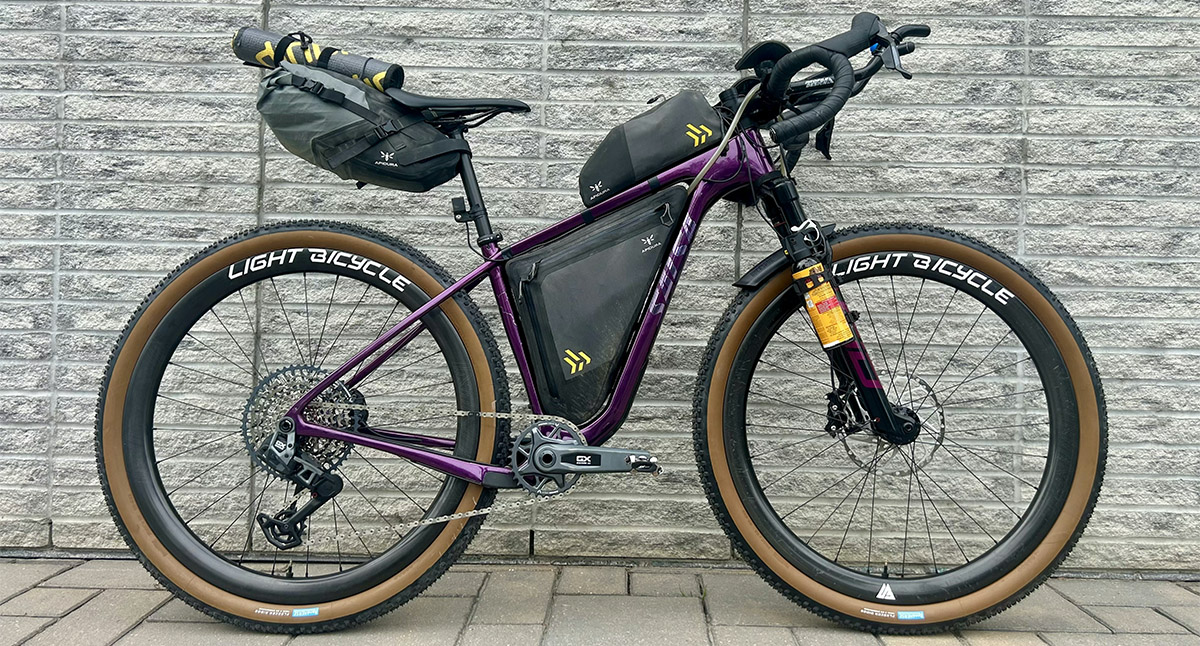
Meaghan Hackinen’s Tour Divide Bike Check
This morning, the Tour Divide, the world’s most prestigious bikepacking race, is taking off from Banff in Canada. It’s a monumental race, traversing the entire United States along the crest of the Rocky Montains, before finishing at the Mexican border. The fastest riders will take about two weeks to ride the 2,700 miles (4,350 km)—Meaghan Hackinen set the women’s course record in 2024, with a time of 15 days 23 hours. After a year of focusing on the Mountain Races (Atlas, Hellenic, Silk Road), Meaghan is back this year. Here she tells us about her bike and gear.
The Tour Divide follows the legendary Great Divide Mountain Bike Route, tracing the Continental Divide from Banff, Alberta, to Antelope Wells, New Mexico. Over those 2,700 miles of dirt roads and gravel, riders climb roughly 180,000 feet (55,000 m), while crossing some of the most spectacular landscapes in North America.
After winning the women’s division and setting a new Grand Depart course record in 2024, I’ve decided to return and see if I can improve on my time. I had a great rookie run. Even so, I am genuinely excited to get back on the Tour Divide route, put what I learned to use, and revisit all those incredible places along the way. It’s a huge privilege to be back.
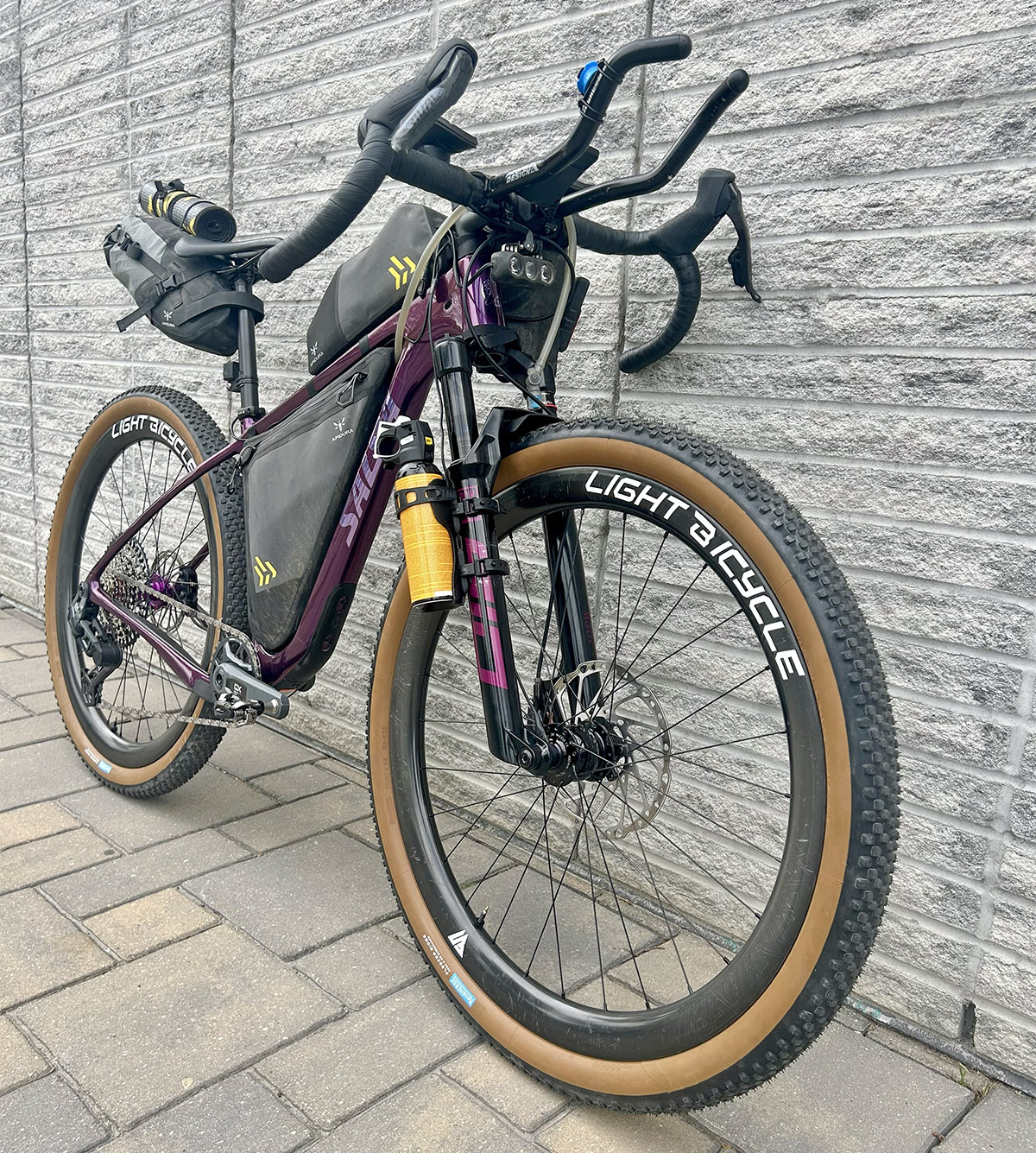
My setup is very similar to what I raced in 2024. I’ve upgraded the bike and a few key pieces of gear, while making some small adjustments to my layering system. This year, I’m bringing full leggings instead of leg warmers and a bit more cold-weather gear to better handle the first few days, when snow, mud, and high water are in the forecast.
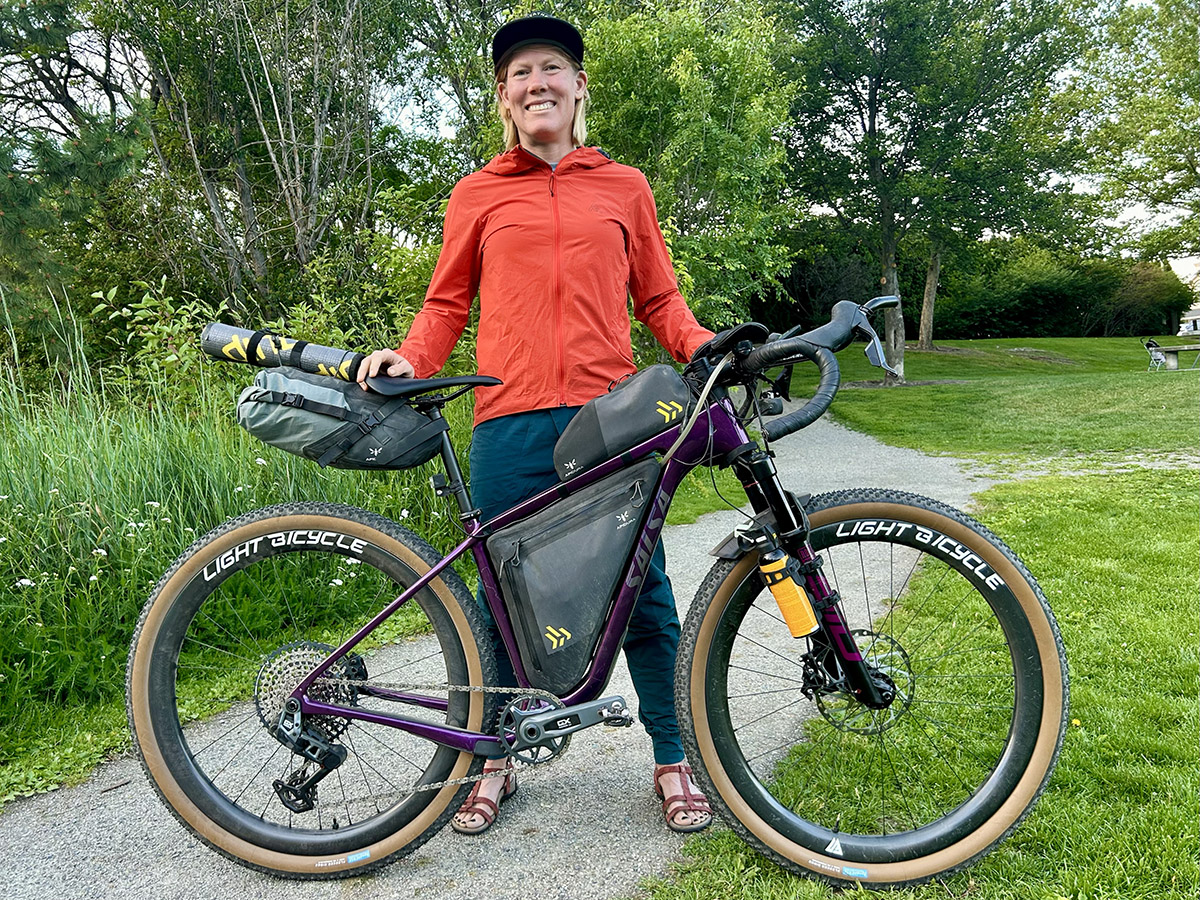
I’m racing on a 2026 Salsa Cutthroat C Rival GX AXS Transmission SUS with a 34T chainring and 10-52T cassette. While I also rode a Cutthroat in 2024, this newer model features 100 mm of front suspension, electronic shifting, and a larger frame triangle, which translates into additional storage space in the frame bag. By the time I reached New Mexico on my last ride, I was feeling pretty beat up. I’m hoping the added comfort of the suspension will offset its weight penalty and help me reach the final stretch feeling a little fresher.
The bike rolls on Light Bicycle WG44 carbon rims laced to a SON dynamo hub up front and a Hope Pro 5 rear hub. The dynamo powers my trusty kLite setup, providing reliable lighting through the night, while also keeping my electronics charged on the move. It also powers a Qube rear blinky light, giving me one less thing to think about. I carry a small Petzl headlamp on my helmet as well: handy for digging through bags after dark or scouting an end-of-day bivy spot.
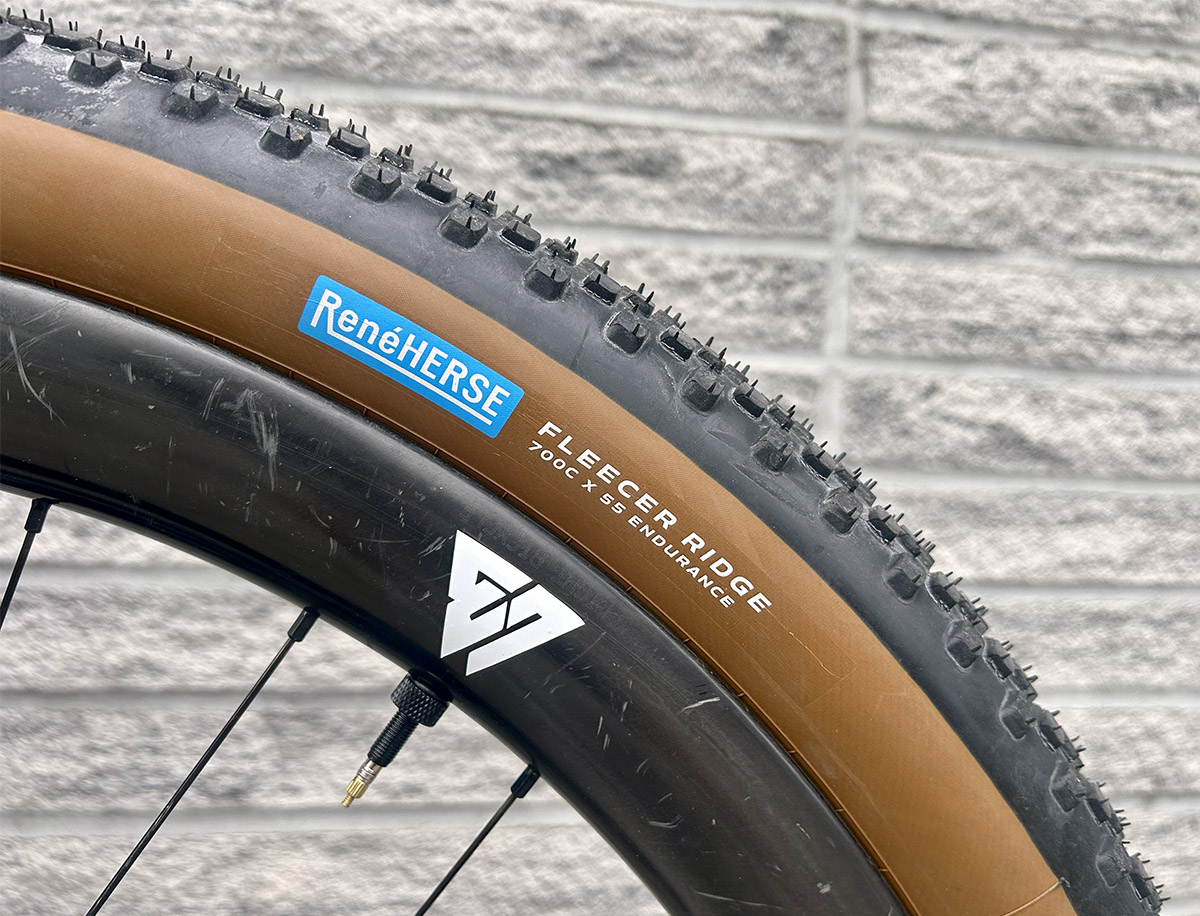
For tires, I’ve chosen 29 x 2.2-inch Rene Herse Fleecer Ridge tires in the Endurance casing, set up tubeless with Rene Herse Supple Sealant. Named after one of the Tour Divide’s iconic climbs, the tires strike a nice balance between grip, speed, and durability. They provide the traction and control needed for steep, loose mountain roads, while rolling efficiently across the fast gravel and pavement that connect them. For me, 2.2 inches (55 mm) hits the sweet spot in width.
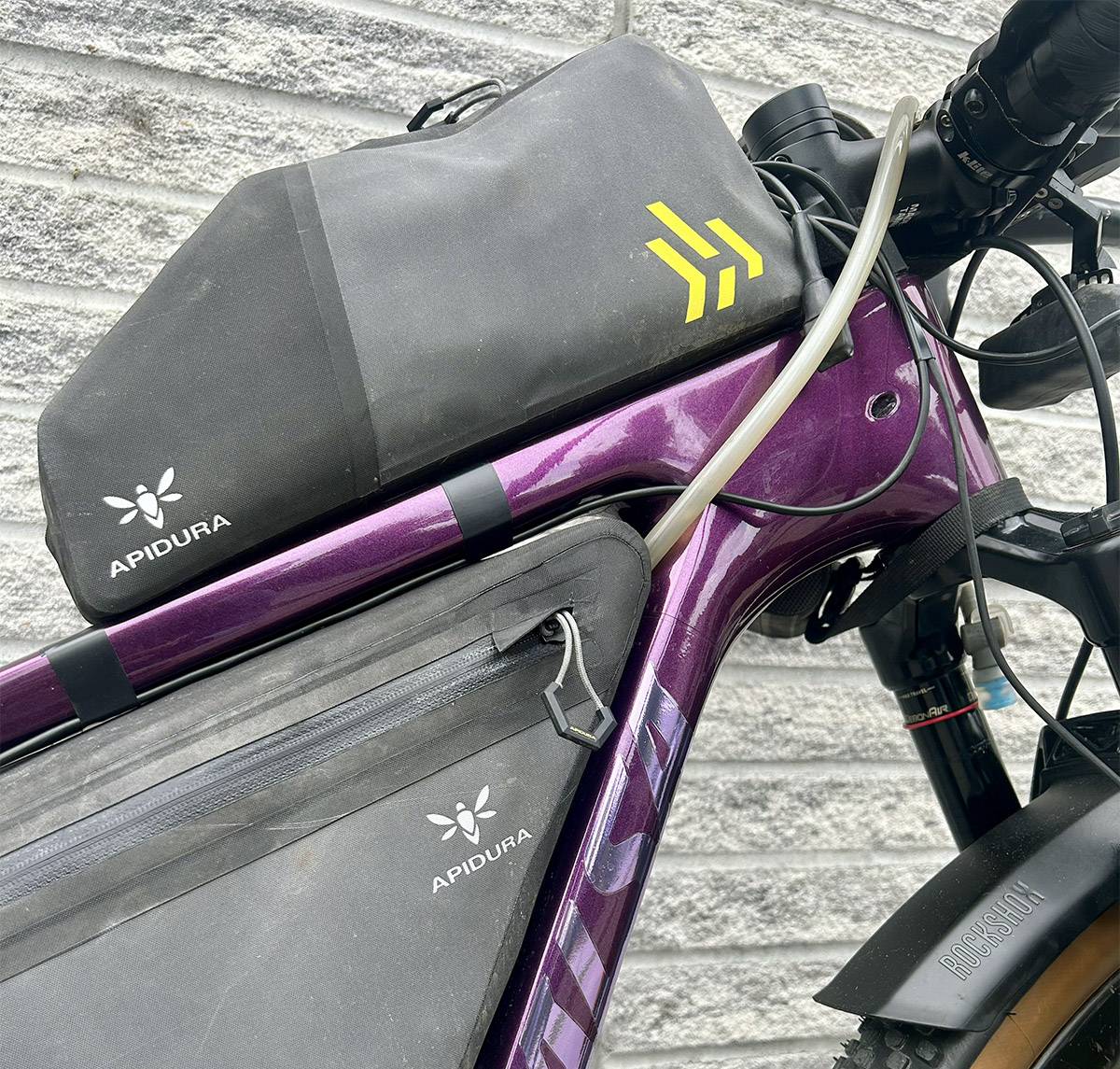
My Apidura Backcountry bag setup is centered around a prototype bolt-on frame pack, which carries a 3-liter hydration bladder along with smaller clothing items (keeping them easy to access). I use a matching top-tube pack for electronics and hygiene items. A saddle pack stores my sleep system and warmer clothing, while a stem bag holds tools and extra food. I’m also carrying a musette bag, which comes in handy on longer stretches between resupply points.
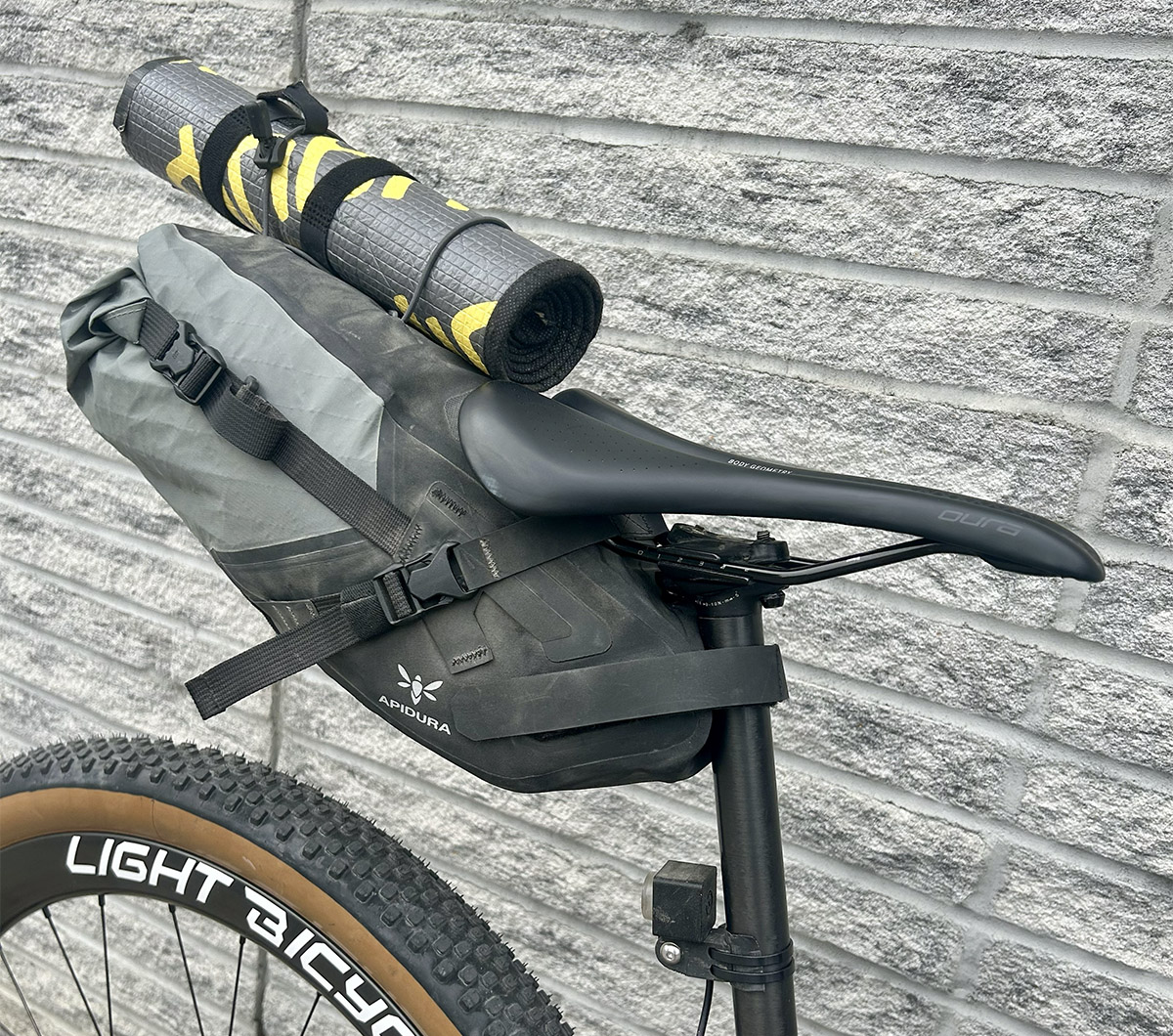
My sleep system is identical to the one I used in 2024: an SOL emergency bivy paired with a Rab Mythic 180 sleeping bag and a homemade ultralight sleeping pad. This setup works best when I can find some form of shelter—an awning, gazebo, or picnic structure—in poor weather, but it has kept me warm and sleeping well on nights that dip below freezing. I’m also planning on sleeping inside when I can, but still anticipate about half of my nights outdoors.
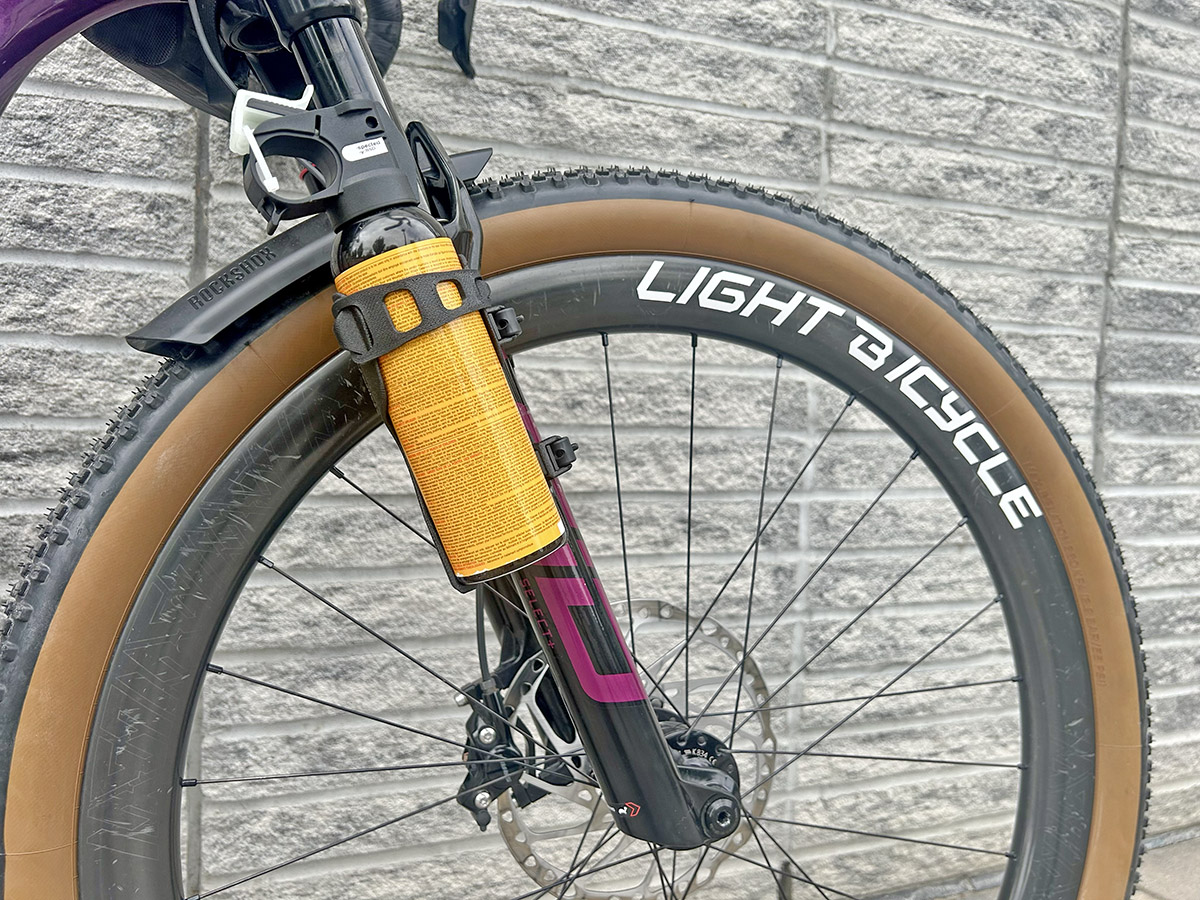
For navigation, I’m using a COROS DURA solar bike computer, chosen for its ease of use and 120-hour battery life. My bear spray is mounted to the front fork for quick access, and my rain jacket is clipped to the handlebars for the same reason.
Thoughtful preparation and a well-considered setup are crucial when it comes to executing a race plan. Hopefully my choices will pay off when I’m out there. While I’d like to improve my average moving speed, I suspect the biggest gains will come from spending less time off the bike. By the second half of my 2024 race, my daily stop time had crept past two hours—and I couldn’t tell you where most of it went. This year I’m hoping to be a little more disciplined and intentional with my stops. If I can spend a bit more time rolling and a bit less time lingering, those minutes should add up by the time I reach the border.
More Information:
- Follow Meaghan and the other racers via the Tour Divide Tracker
- Meaghan’s story of riding (and winning) the Silk Road Mountain Race is in Bicycle Quarterly 90.