

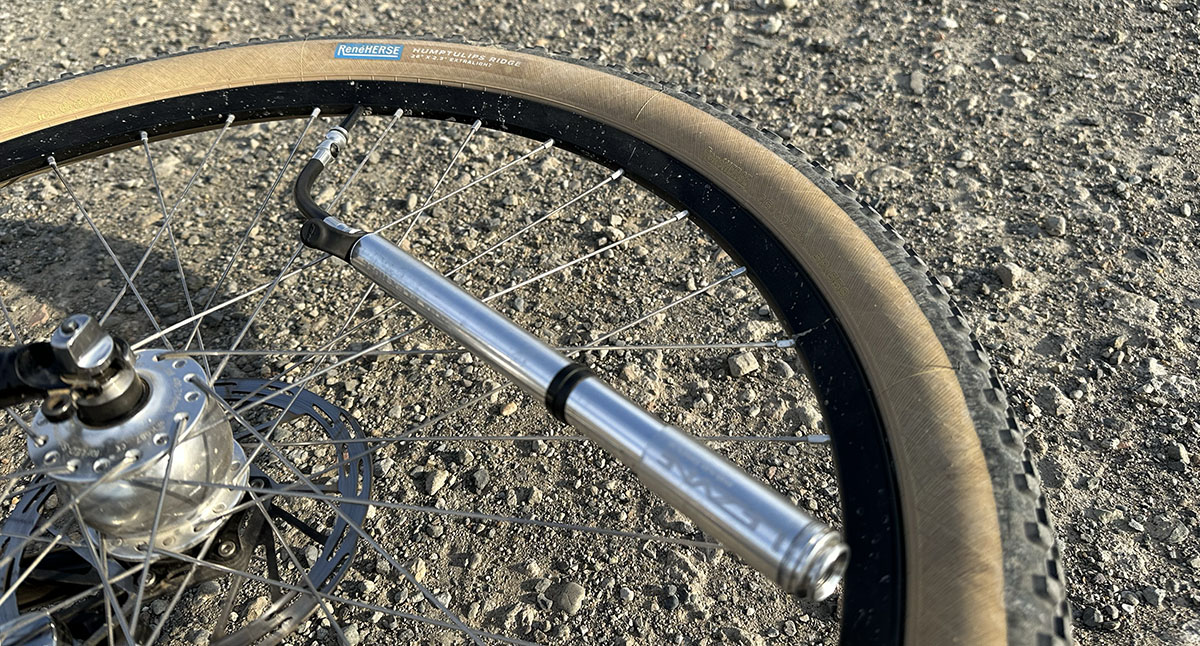
Smooth Valves and Pump Hoses
We get this question from time to time about our TPU valves with smooth valve stems. (We also offer threaded valves.) Can you inflate smooth valves with pumps that connect to the valve with a hose? The hose of the pump needs threads to hold onto the valve. Here’s why it works just fine:
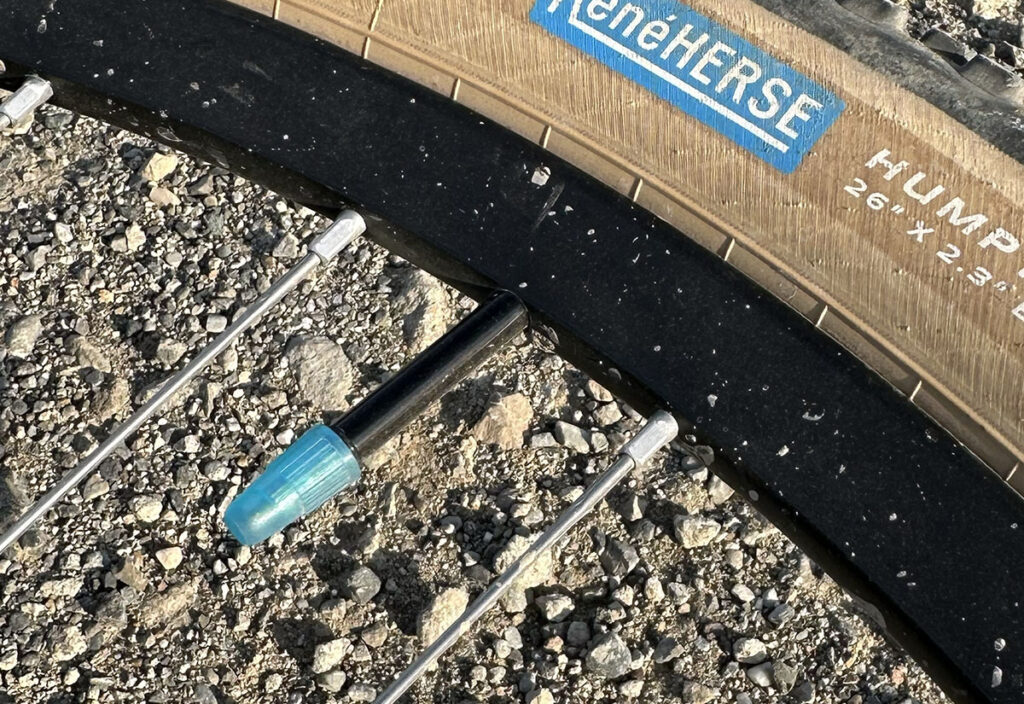
The valve stem is smooth, but the valve core is threaded. That’s how it is screwed into the valve stem, and that’s how the valve cap is screwed on.
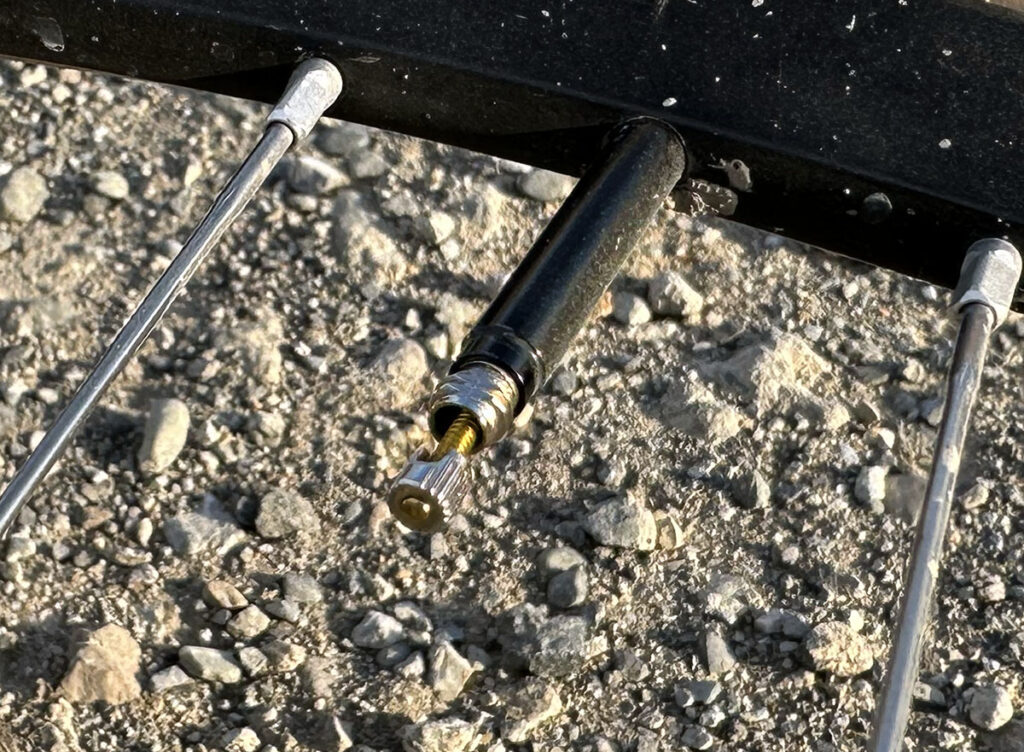
To inflate the tube, remove the valve cap to expose the threads of the valve core. Unscrew the little nut at the top of the valve to allow air into the tube.
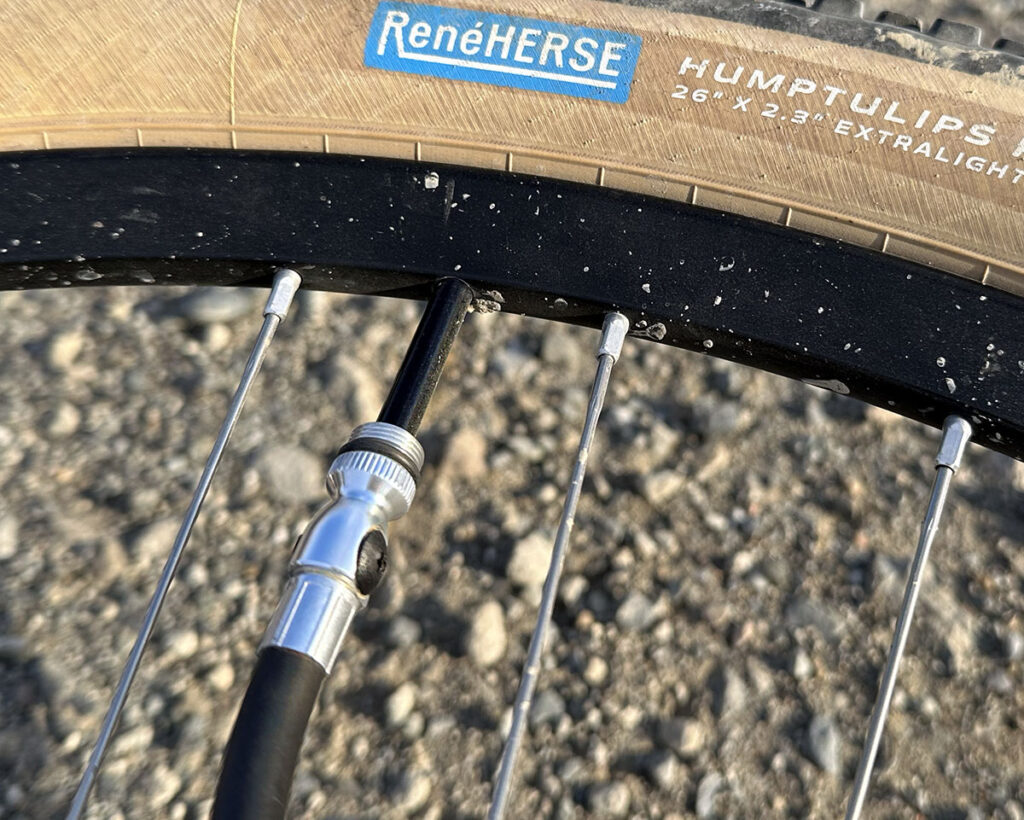
Now thread on the hose of your pump. The hose connects to the threads of the valve core. (It doesn’t engage with the larger threads found on some valve stems.) Now you can inflate the tire.
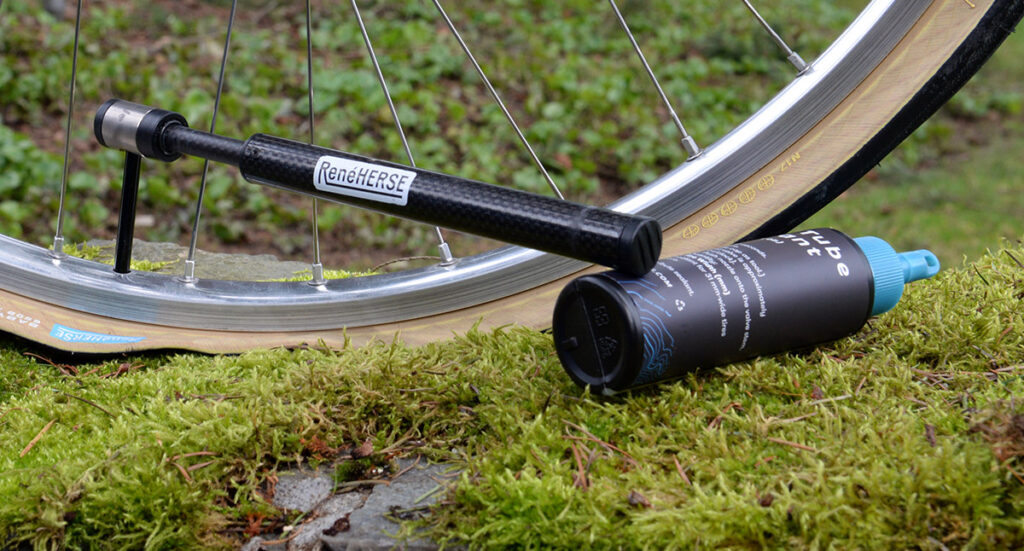
Unthreaded stems have always been common on tubular tires and also on tubes intended for performance bikes. Why? Because many traditional pumps for racing bikes are pressed onto the valve, not screwed on, to allow for faster inflation. The classic Silca pumps are one example. Our NUDA carbon minipump is another.
Pressed-on pump heads go over the valve stem, not just the core. Sliding the pump head onto the valve is easy, whether the stem is threaded or smooth. Removing the pump is always harder than putting it onto the valve: Once you inflate the tire, air pressure pushes against the O-ring that seals the pump against the valve. With threaded valve stems, the O-ring can lock onto the valve. If that happens, removing the pump head can be very difficult. Obviously, smooth valve stems avoid this.
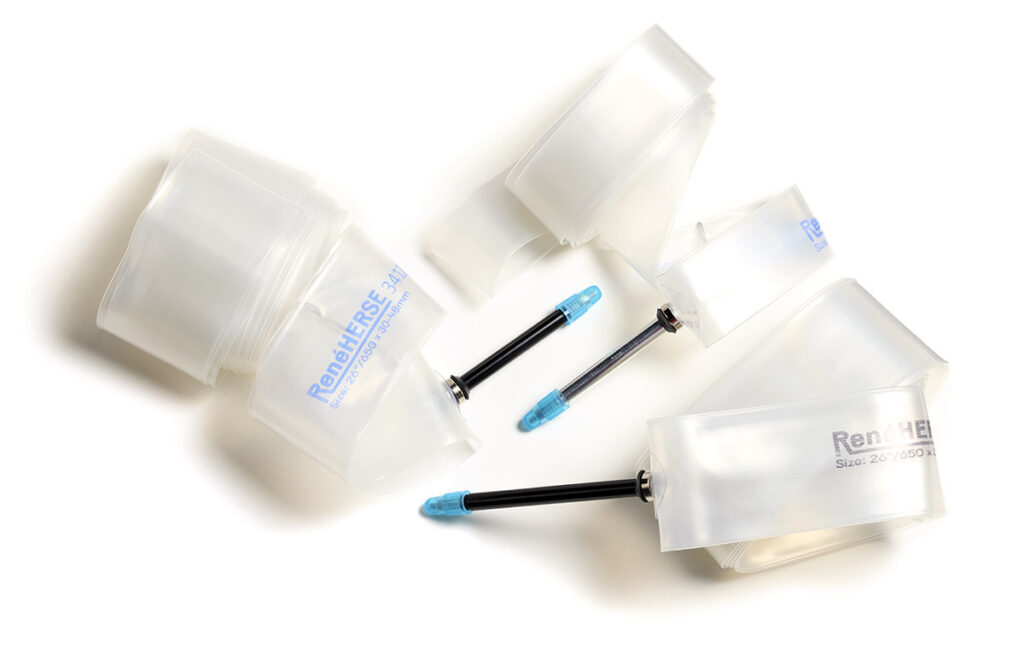
Threaded or unthreaded, both types of valve stems work well. We have a (slight) preference for unthreaded valves since they work equally well with both styles of pumps: press-on heads or screw-on hoses. It’s not a big deal either way. That’s why we now offer threaded valves, too.
More Information:
- TPU tubes
- NUDA carbon pump with press-on head