

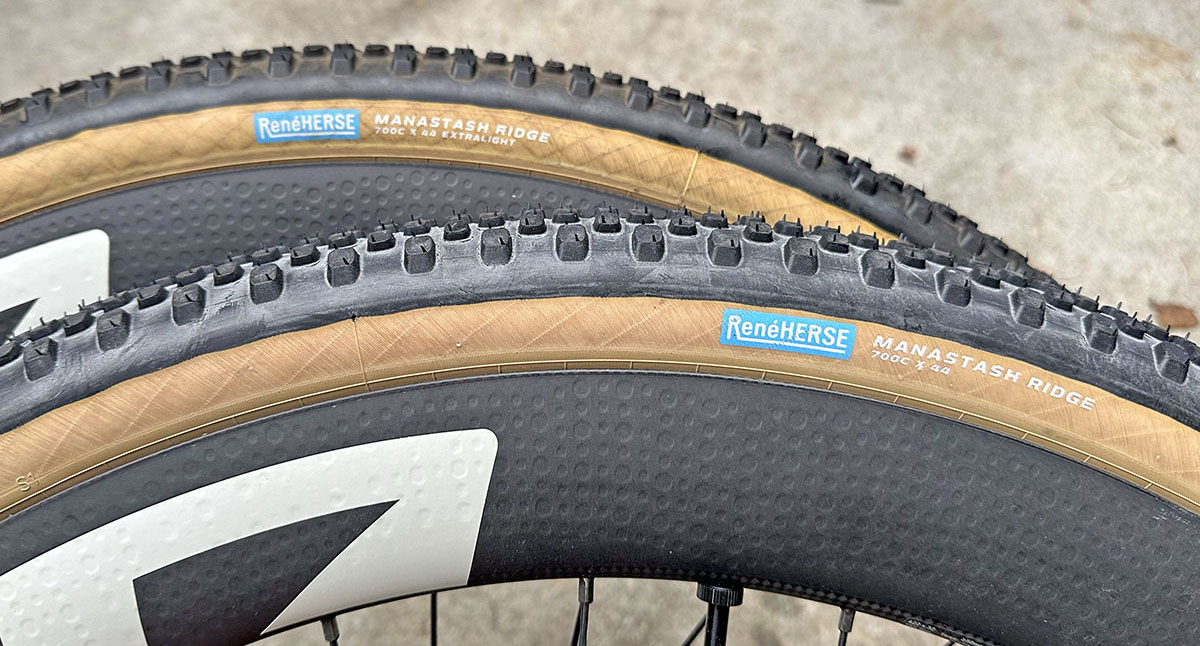
ZIPP approves RH tires on 303 XPLR
When Zipp introduced their 303 XPLR rims, they broke new ground with respect to rim width: a whopping 40 mm (outer) translates to 32 mm where it matters, on the inside of the rim. Zipp developed the 303 XPLR for gravel bikes and suggests running tires as narrow as 40 mm, with a maximum of 60 mm.
For reference, ETRTO standards, which govern rim/tire compatibility, list 32 mm rims as compatible with tires between 58 and 71 mm wide. There is almost no overlap between these two specs. Only tires 58-60 mm wide meet both the ETRTO standards and ZIPP’s own recommendations for the 303 XPLR rims.
And yet all Rene Herse tires wider than 40 mm are safe to use on the new rims. How does this work?
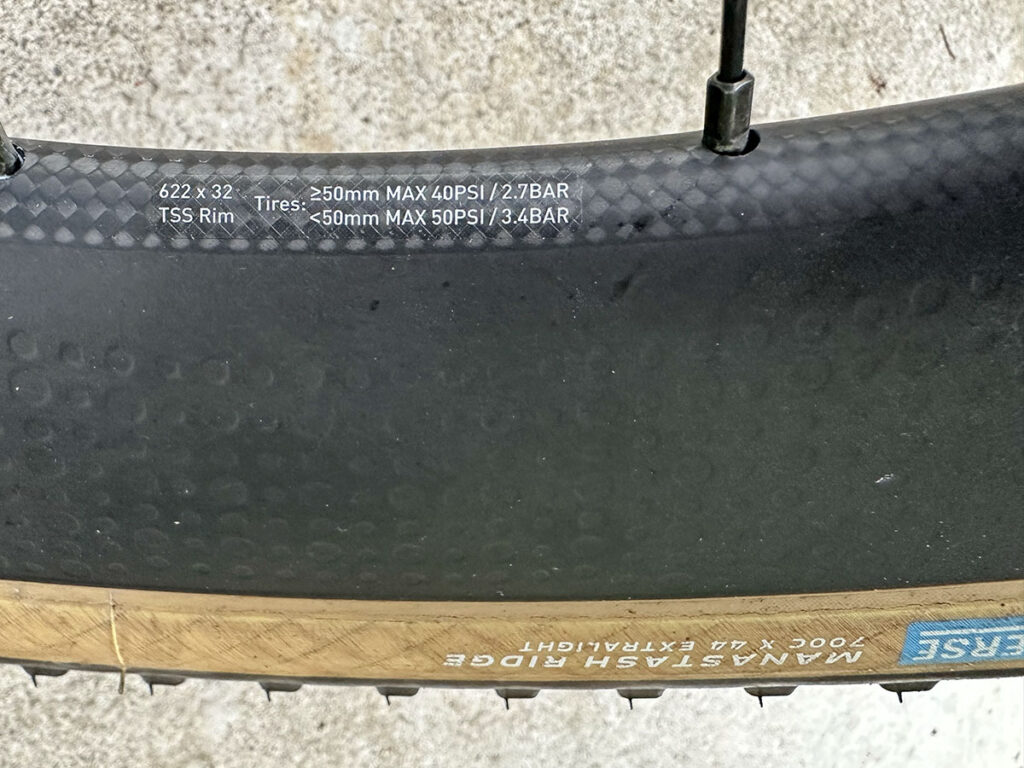
The ETRTO standards are basically a minimum requirement: If a manufacturer makes tires that are, for example, 60 mm wide, then these tires must work on 32 mm-wide rims like the 303 XPLR (provided that the rim’s profile and dimensions meet ETRTO standards). This ensures tire / rim compatibility without having to test each combination.
This doesn’t mean that other combinations won’t work. In our experience, the fit between rim and tire is the most important variable that determines whether a certain tire is safe on a certain rim. The ETRTO standards offer some leeway with respect to rim specs, to account for inevitable variability during production—especially with lower-priced OEM rims. For example, the G height (sidewall height on the inside of the rim) for hookless rims can be anywhere between 5.0 and 6.0 mm. There’s a similar ±0.5 mm tolerance for the bead seat diameter. That’s a pretty big range. If you’re lucky and get a rim that’s at the large end of this range, you’ll get a tighter tire fit than if you end up with a small-ish rim that still barely meets the standards. We (and other tire manufacturers) design our tires to stay on both—the slightly oversize and the slightly undersize rims—with a good margin of safety.
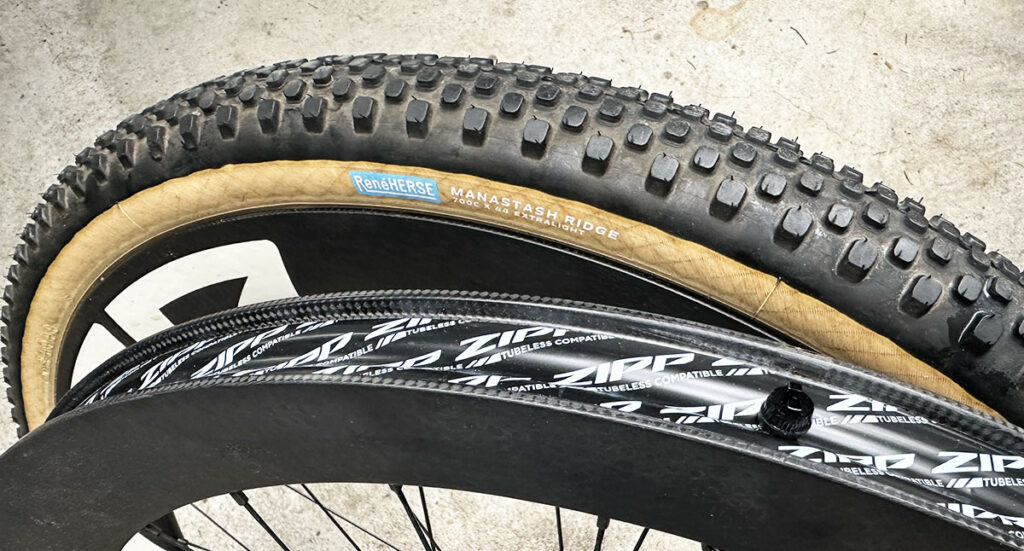
What you pay for with high-end rims are tooling and production techniques that allow for tighter tolerances. Let’s say a rim maker can keep their rims within ±0.25 mm. That means they can spec both the rim diameter and the sidewall height a bit larger—without running the risk that tires will not fit at all on some rims that fall at the outer end of the tolerances. And since we’re now guaranteed a better tire fit on all rims, not just the ‘best’ ones, we may be able to run tires that don’t meet the ETRTO compatibility standards.
There’s one caveat: Each tire/rim combination has to be tested individually to make sure it works with a margin of safety. Individual testing is what Rene Herse and ZIPP have done for the 303 XPLR rims. When the new rims were introduced, we got our hands on a wheelset and tested it with a variety of our tires. We found that the rims work well with Rene Herse tires wider than 40 mm—with a significant margin of safety.
ZIPP has also been doing their own testing. Being a larger company, this takes a bit longer, but now the first results are in. That’s what ‘Dual Tested’ means in the list below: Both tire and rim maker have independently tested the combination and found it to be safe.
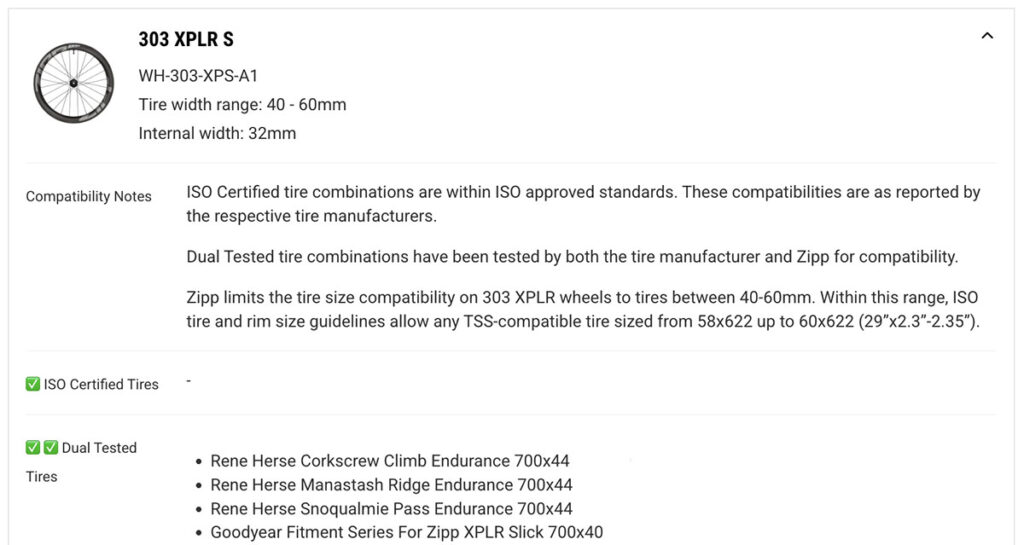
ZIPP requested three samples of our 44 mm tires for their tests. Then they reported back: “Inflation testing is complete on the first two samples, and the tires passed our 150% inflation safety factor to a high enough level that we did not need to test the third sample.”
Just like in our own testing, the 44 mm Rene Herse tires didn’t just barely pass, but passed with a wide margin of safety. And since the concern with these rims is that the tires may be too narrow for the rim, wider Rene Herse tires also work without problems.
Now that we know that Rene Herse tires are safe on 303 XPLR rims, let’s look at some of the other questions related to running our tires on rims this wide.
How wide?
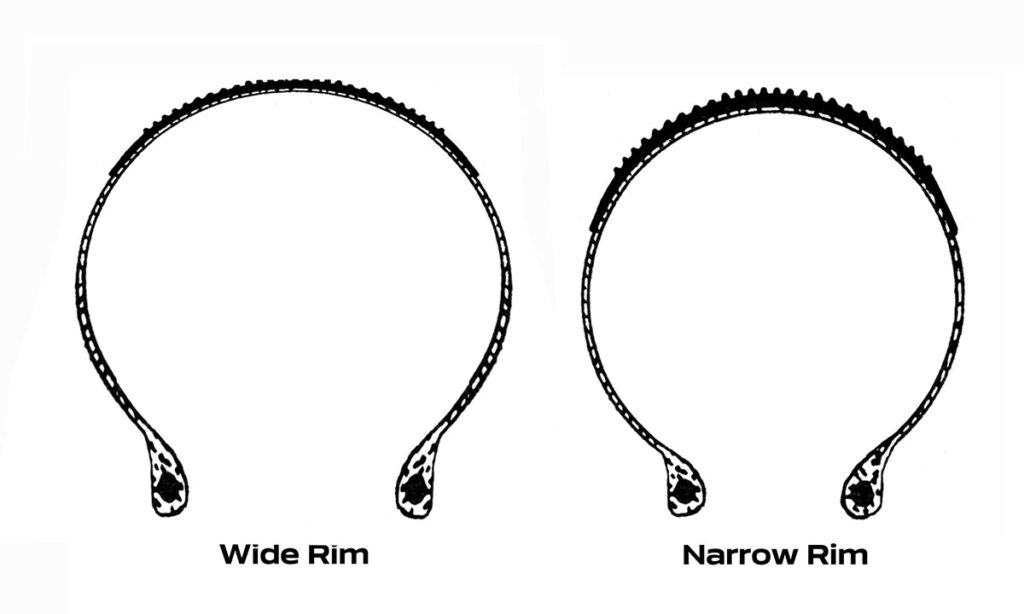
With rims this wide, the tires will be wider, too. How wide? Rene Herse 44 mm tires balloon to 48 mm on the 303 XPLR rims—an increase of 4 mm. Interestingly, the width increase is proportionally smaller with wider tires: Our 55 mm-wide tires increase in width by about 3 mm.
Why do wider tires grow less when you put them on wider rims? Increasing the rim width by 9 mm (from a typical 23 mm internal to 32 mm with the 303 XPLR) makes a proportionally greater difference to the circumference of a 44 mm tire than it does with 55 mm rubber. Either way, count on your tires to get 3-5 mm wider than they are on 23 mm-wide rims.
Tire Shape
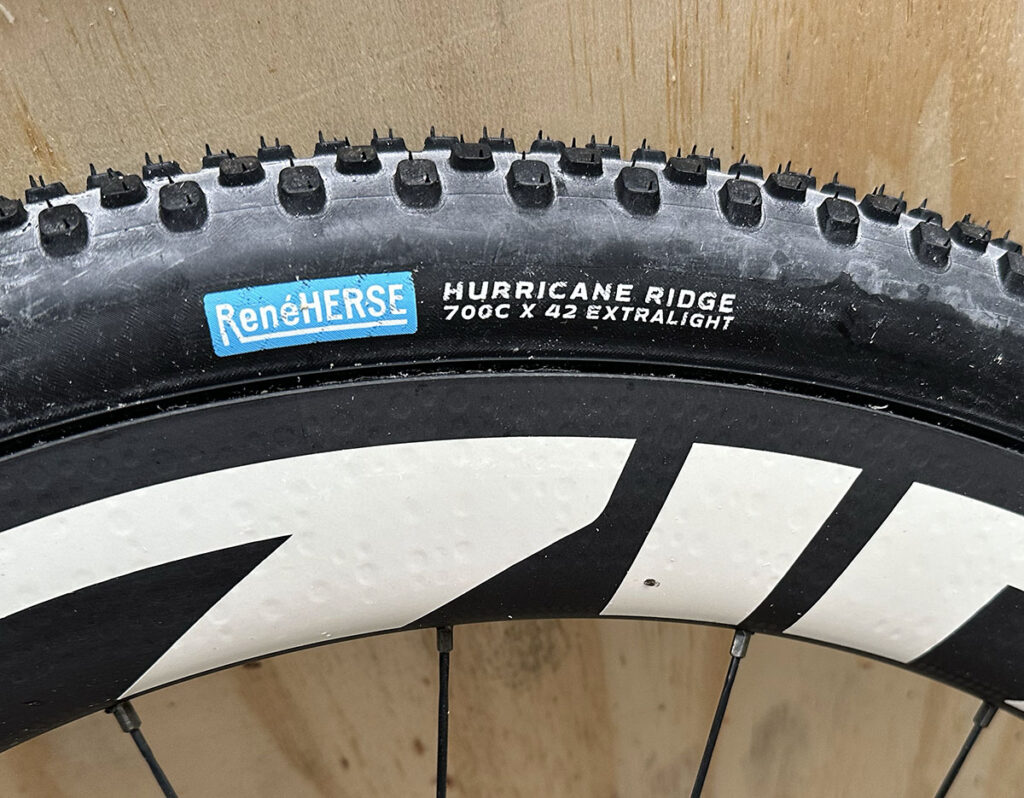
There is some concern that the wide rims affect the shape of the tire, making it more square when the two beads are moved further apart. That’s not the case with Rene Herse tires. They have supple sidewalls and a gradual transition between sidewall and tread, so they assume their round shape on rims of any width.
However, wide rims will increase the width of the tire, as we’ve seen above. In theory, the sidewall could now ‘peek out’ beyond the tread when seen from the above, exposing it to direct rock strikes. With Rene Herse tires, this is not an issue: During the design of our tires, we’ve already factored this in. Even on 303 XPLR rims, the tread will shield the sidewall and protect it from direct rock strikes, as long as your Rene Herse tires are 42 mm or wider (nominal width).
Conclusion
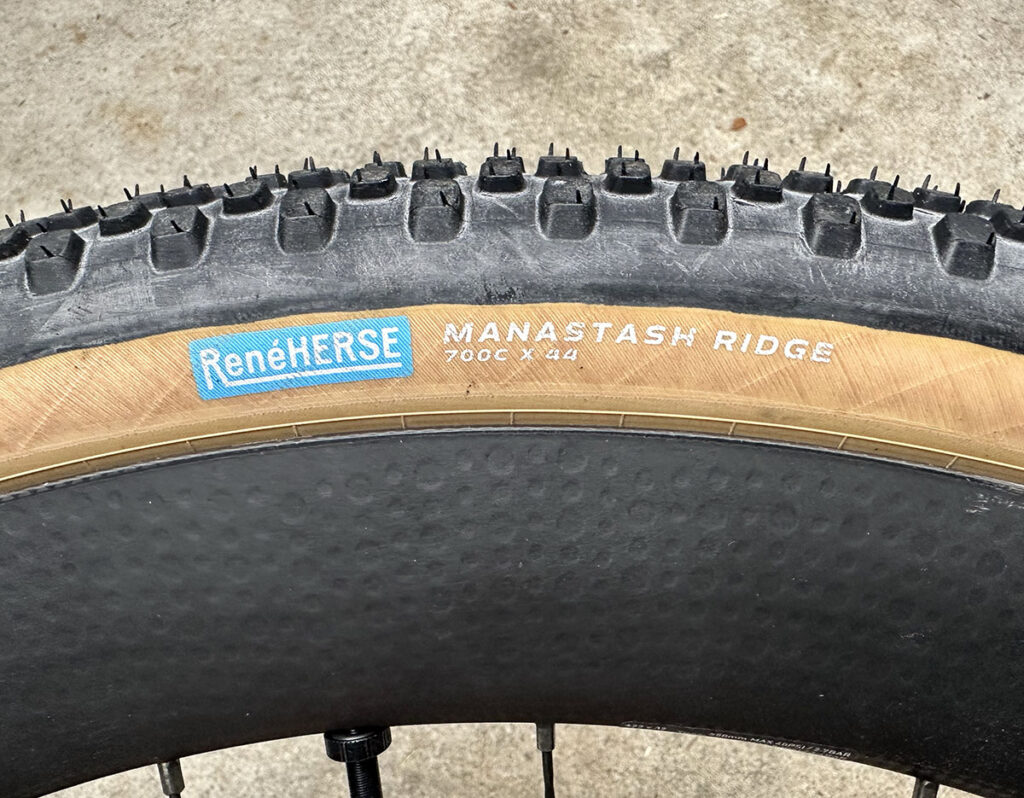
All Rene Herse tires wider than 40 mm are compatible with the 303 XPLR rims. The fit between Rene Herse tires and ZIPP rims is very good. This ensures that combinations outside the nominal ETRTO tire compatibility chart, but within ZIPP’s specs, are safe to use.
More Information:
- Testing of Rene Herse tires on ZIPP 303 XPLR rims
- Info about Rene Herse tires
- Our book The All-Road Bike Revolution explains the science of how to make your bike faster, more comfortable and more reliable.