


We Support the Classics
It’s no secret that we love classic bikes at Rene Herse Cycles. In fact, classics are one reason Rene Herse Cycles was reborn in the Cascade Mountains. Jaye Haworth and I rode a 1946 René Herse tandem in the 2003 Paris-Brest-Paris—and received the trophy for the fastest mixed tandem.
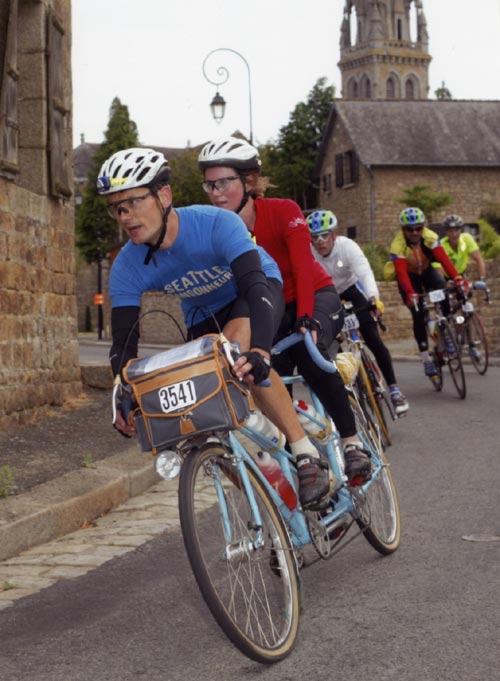
Of the 15 or so tandems I’ve ridden and raced on—both moderns and classics—the René Herse was by far the best-performing and best-handling, while also being the lightest. Herse’s daughter Lyli was clearly touched by our enthusiasm. She invited me to her house. Over the next few years, we became friends, and the rest is history…
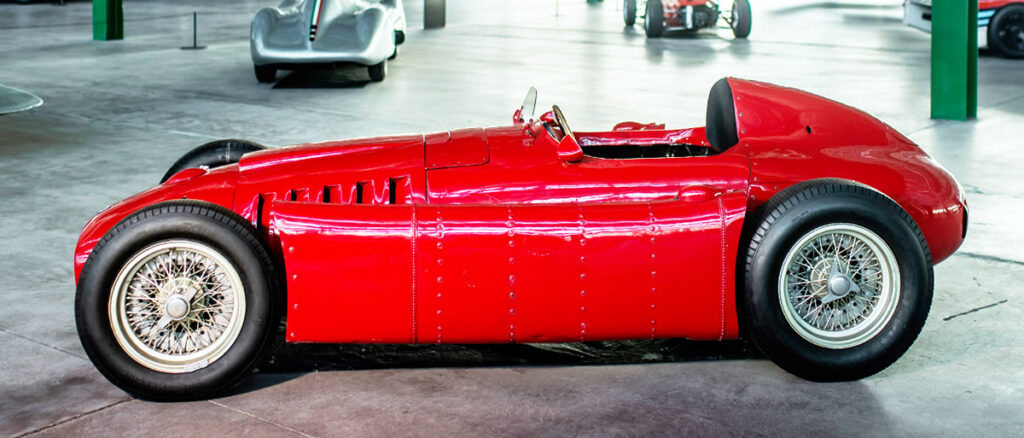
Aren’t old bikes outdated relics, cool-looking but lacking in performance? After all, nobody would take a 1950s Grand Prix car to a modern Formula 1 race and expect to keep up. However, the car comparison overlooks an important factor: On bicycles, the engine—the human on the bike— a) has not changed much in the last 75 years, and b) is the limiting factor for performance. With race cars, improvements in engines, suspension, tires, electronics and more have led to huge advances in speed. With bicycles, it’s still the strongest rider who wins… Beyond that, few people appreciate how sophisticated the best classic bikes (and cars) really were.
When we discovered the mid-century bikes from the French constructeurs, more than 20 years ago, there were no gravel or all-road bikes yet. The bike world was neatly divided between road and mountain bikes, with touring bikes as an alternative. Cyclocross bikes offered a glimpse of what was to come, but they were very much a niche offering. And, apart from mountain bikes, you would have been hard-pressed to find tires wider than 28 mm on a bike intended for spirited riding.
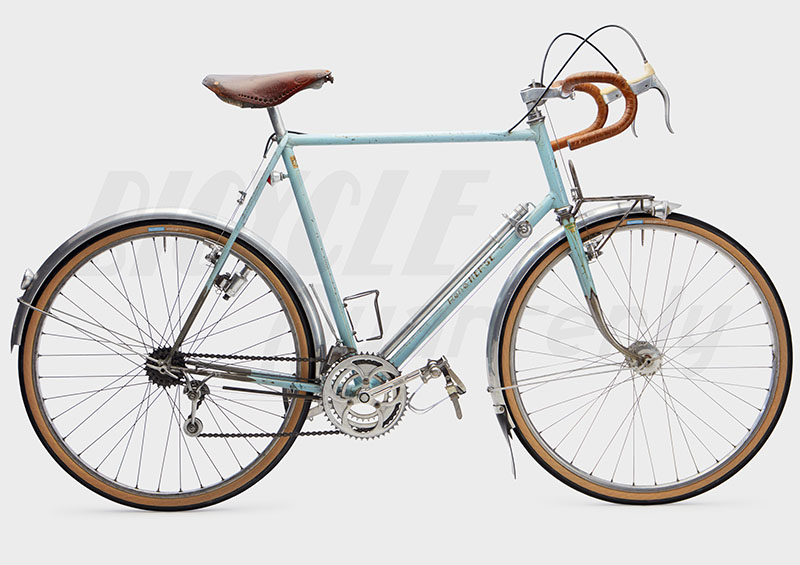
Imagine our surprise when we discovered bikes with 38 or even 42 mm tires that were as fast as our racing bikes. Bikes that had fenders, racks and lights so neatly integrated that they were far lighter than our custom-built touring bikes. Bikes with optimized geometries that rode far better on rough roads and with the gear for a 24-hour adventure, than anything we’d ever experienced.
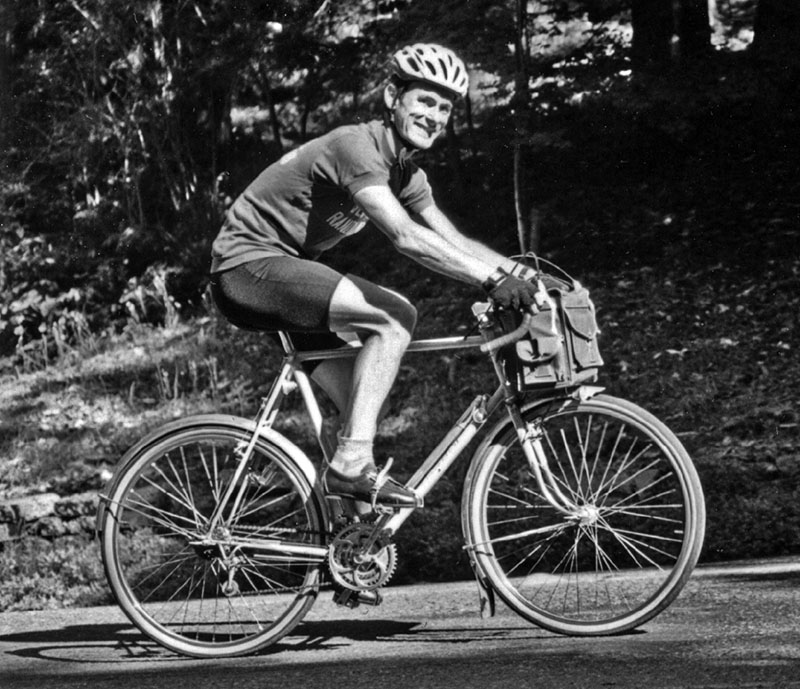
Most of all, those bikes showed us the potential of wide tires on high-performance bikes. When I rode a 1952 Rene Herse in the 3 Volcano 300 km brevet that traversed the Dark Divide in the center of the Cascade Mountains, we set an FKT that remains un-matched more than 20 years later. I wrote ‘we’ because the bike deserves as much credit as the rider. Very strong riders have tried to go faster, but their road bikes could not match the pace of this mid-century randonneuse on the challenging mixed-surface course.
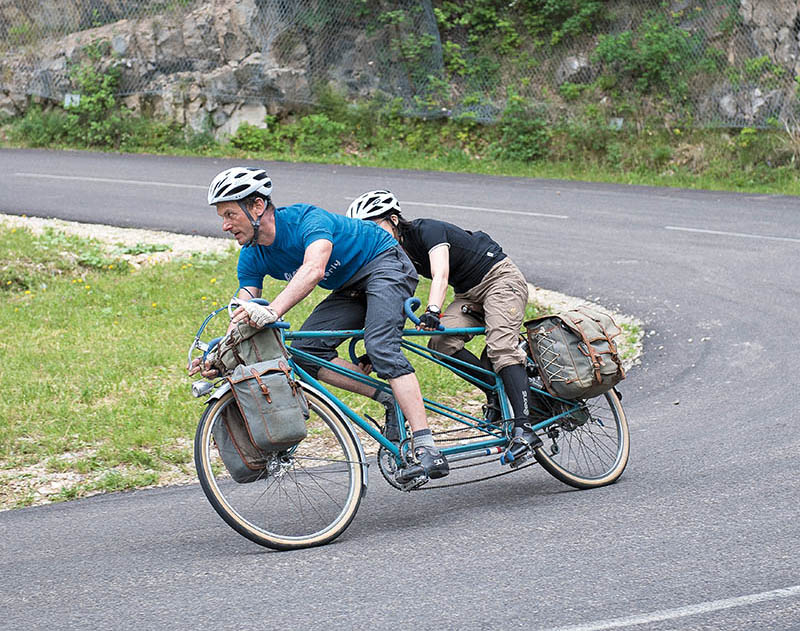
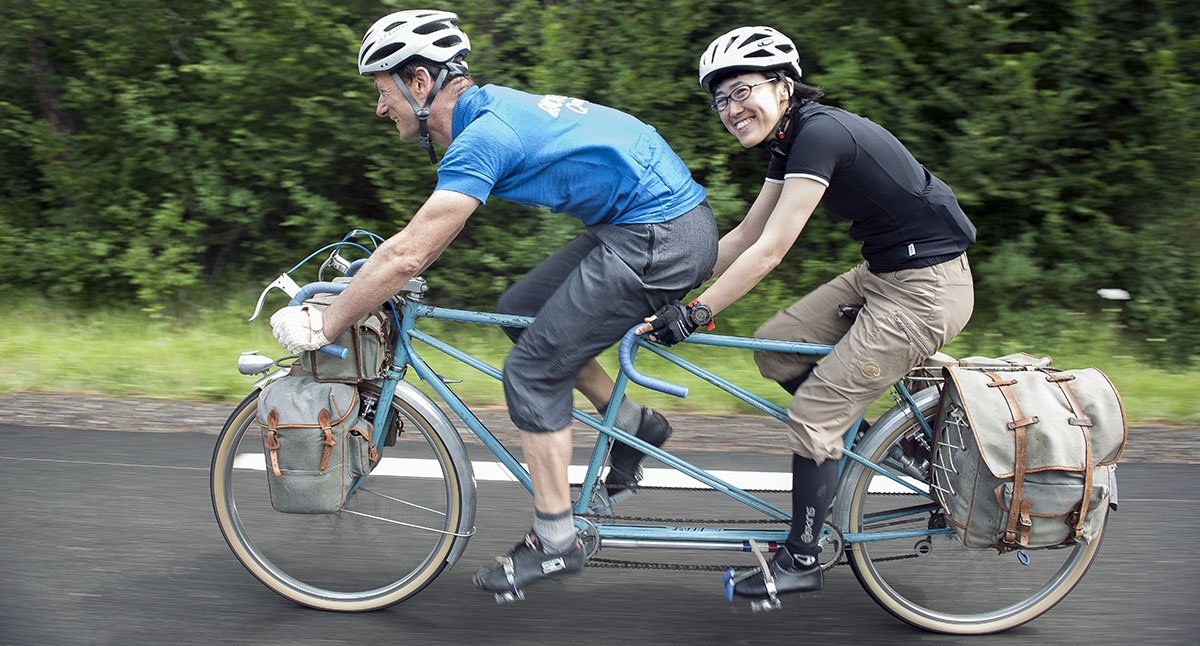
Classic bikes aren’t just about performance, of course. They are also a lot of fun. One of Natsuko and my most memorable adventures was a tour of the French pre-Alps on a barn-find 1946 René Herse tandem. We had a blast, and the old tandem impressed with its performance and sure-footed handling.
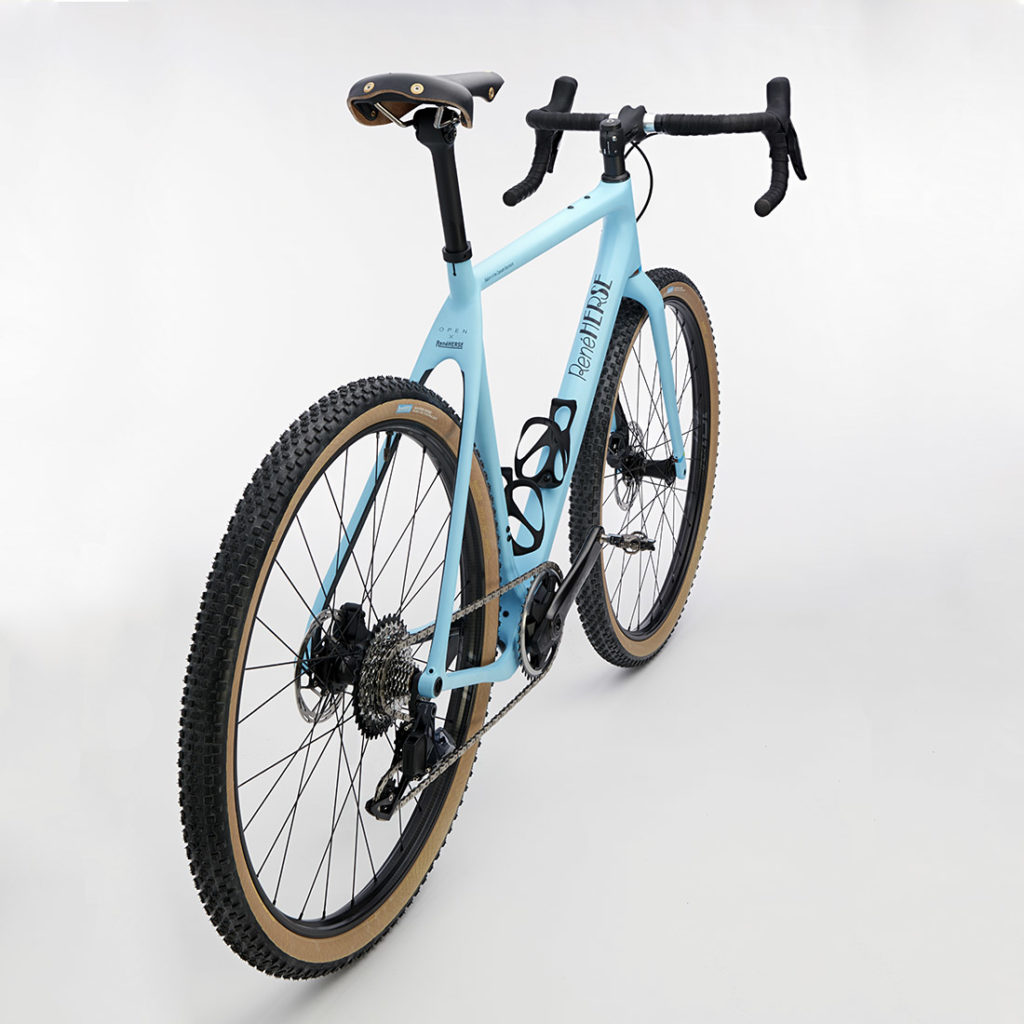
I’m not sure the wide-tire revolution would have happened without these classics. And so I’m incredibly grateful for the opportunity to ride these amazing bikes and discover what made them work so well. That’s why, for our small run of collab frames with OPEN, color and logos were inspired by those mid-century bikes. And that’s also why, when Rene Herse Cycles was reborn, we made a commitment to help keep these wonderful bikes on the road.
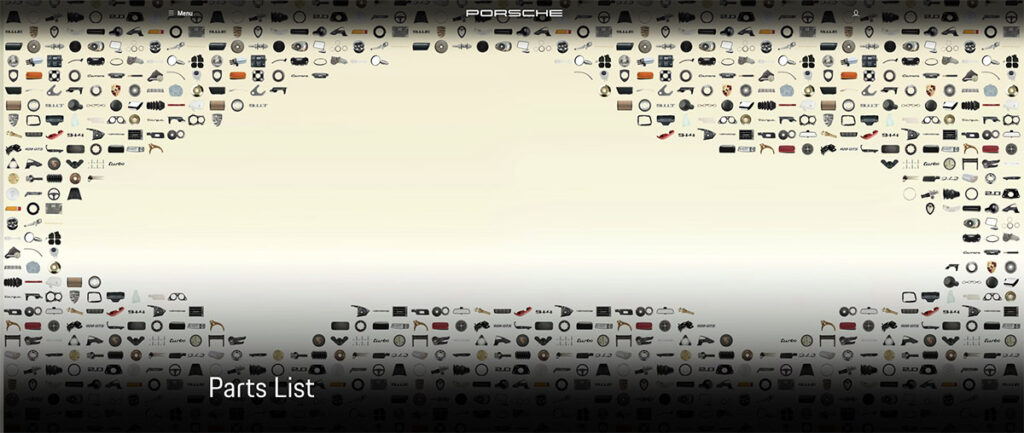
In the car world, it’s common for manufacturers to support classics from bygone eras. If you need a part for a 1960s Porsche 911, you’ll probably find it in the Porsche Classic Parts Catalogue. BWM and Mercedes run similar programs. You can get pretty much any part for a classic Ferrari or Bugatti as well.
Yet the bike industry often turns its back on its history. Anybody who has a classic bike with Campagnolo components knows what I mean. Even wear-and-tear parts like rubber brake hoods are not available—although they’d be comparatively easy to re-issue. (And since the Campagnolo logo is trademarked, it’s not like anybody else can just reproduce them.)
Of course, car makers have it a bit easier. Many more Porsche 911s were made than René Herse bikes, so there’s much more demand. And classic Ferraris and Bugattis are worth much more than classic bikes, so there’s more room to spend what it takes to make parts.
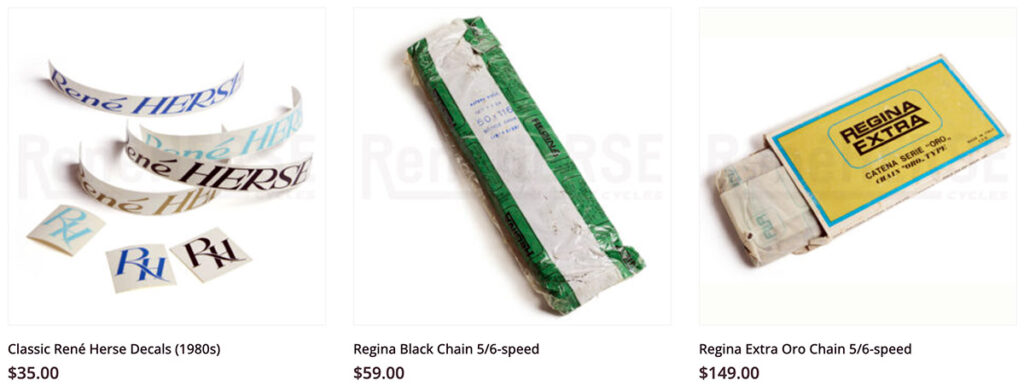
Those challenges don’t keep us from offering parts for classic René Herse bikes, and some others, too. In our ‘restoration’ program, you find things like Regina Oro chains and overhaul kits for Mafac centerpull brakes. We offer chainring blanks that can be used to keep classic bikes with worn rings on the road. You can get straddle cables for classic Herse brakes and replacement axles for Maxi-Car hubs. Our retrofit LED bulbs fit into classic taillights without any modification, to give you more reliable lighting and a standlight. We’ve even got original decals for 1980s René Herse frames. (Earlier bikes had hand-painted logos.) All classic Rene Herse components in our program are authentic Rene Herse parts, made to original specifications or updated in invisible ways to further enhance performance and reliability. Original parts go a long way to preserve the performance and value of your classic bike.
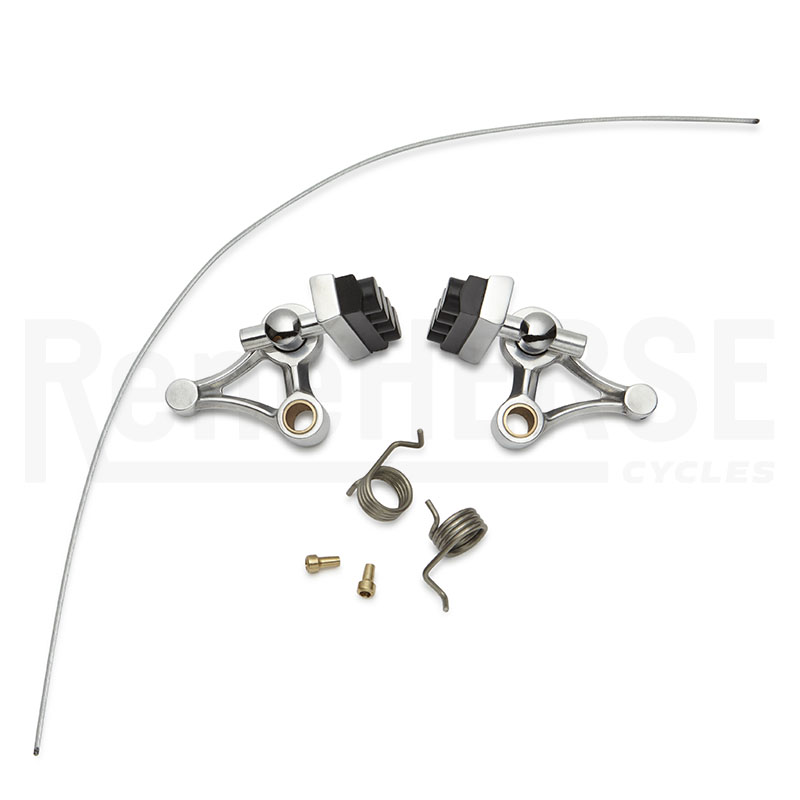
When we made our ultralight cantilever brakes, we also offered them in the ‘classic’ mid-century version. The re-issued brakes are updated (invisibly) with modern materials and manufacturing techniques where it’s sensible to further enhance performance.
In case you wonder about the difference between ‘classic’ and ‘modern’ Rene Herse brakes: The ‘modern’ brakes have pivoting straddle cable ends allow using a thinner straddle cable. Being more flexible, the thinner cable is always stretched taut, and there’s less dead travel when you pull the levers.
The ‘modern’ Rene Herse cantis are designed for modern canti pivots. When cantis were first introduced, every maker had their own pivot design. Mafac cantis soon became the most popular, and Mafac-style pivots became the standard that’s still used today. Mid-century Rene Herse pivots are a bit shorter and anchor the spring at the bottom, rather than on the side. Neither pivot is functionally superior, they’re just different standards—but that means these brakes aren’t interchangeable.
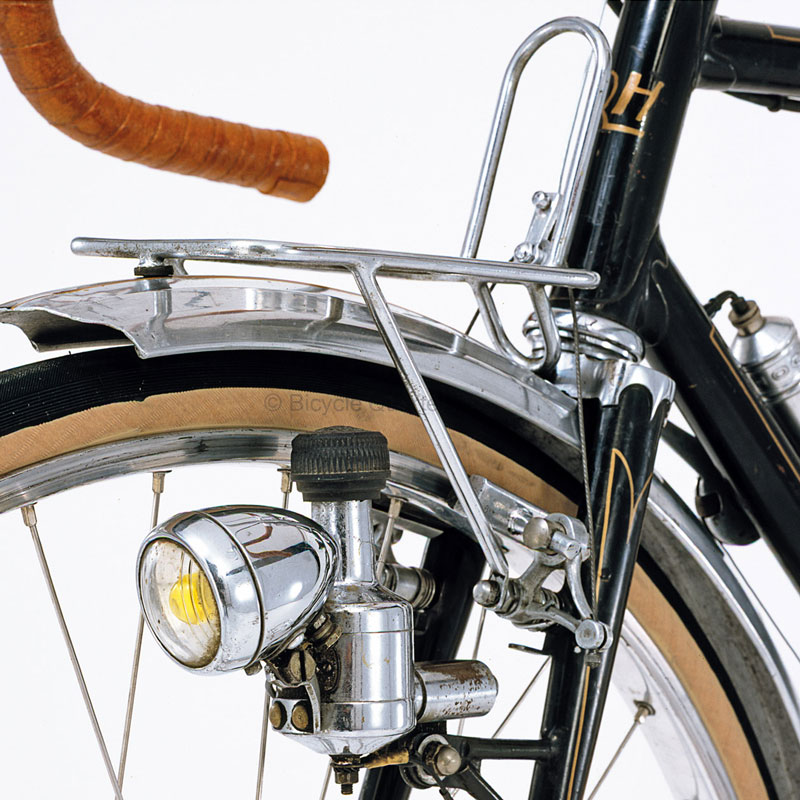
The ‘classic’ Rene Herse cantis are essential for restoring mid-century René Herse bikes that lost their brakes when they were modernized later in their lives. If that update was done in the René Herse shop or by similarly qualified craftspeople, then it’s part of the bike’s history that probably should be preserved. But in many cases, especially if the frame has lost its original paint, it makes sense to restore these bikes to their original glory.
Thanks to the success of our crowdfunding drive, we’re making another forging run of the ‘modern’ Rene Herse cantis. We’d like to include ‘classic’ cantis as well. That’s why we’re extending the crowdfunding to the classic brakes. If we receive pre-orders for 20 sets by the end of the year, we’ll be able to include the classic version in the production run alongside the modern ones. We’ll also offer the springs separately—they sometimes get rusty or badly bent—as well as Rene Herse canti pivots.
If you’ve got a mid-century Rene Herse that you plan to restore in the future, now is your chance to get a set of brakes for that project. Even if you pass on the bike to a future caretaker, having the parts ‘to put it right’ will enhance its value. If the crowdfunding reaches its goal, the brakes and associated parts will be delivered in March or April 2026.
And if this crowdfunding effort is successful, we may extend it to other parts as well. I’d love to see classic René Herse cranks and chainrings, as well as quill stems and many of the small parts that are essential for restoring these wonderful bikes.
We also made a short video about our tandem tour—click above to watch. And if the video piques your interest, you’ll enjoy the full story of our adventure in Bicycle Quarterly 62. Long out of print—it was one of our most popular editions—we’ve just discovered a box with magazines that had been mis-shelved. As long as these last, this edition is available again, either individually or as part of a 4-Pack of BQ Past Editions.
Further Reading
- Classic Restoration parts in the Rene Herse program
- Crowdfunding for the classic Rene Herse cantilever brakes
- Sleeping Beauty: The 1940s René Herse I rode during my visits to Paris
- Bicycle Quarterly 62 with the story of our adventure on the 1946 tandem
- René Herse • The Builder • The Bikes • The Riders tells the fascinating story of a world where cycling was not just a pastime, but a way of life.
Photo credits: Stellantis (Lancia D50 race car); Maindru (PBP 2003); Nicolas Joly (tandem adventure); J. P. Pradères (1951 Herse detail)